Feature · 5 min read
Is Sahoro worth riding on a trip to Tomamu?
Sahoro sits one stop down the line from Tomamu, and most guests on its lifts are still learning. We looked at what that leaves for a stronger rider and how to fit both mountains into one trip.
By Adam BognarPublished
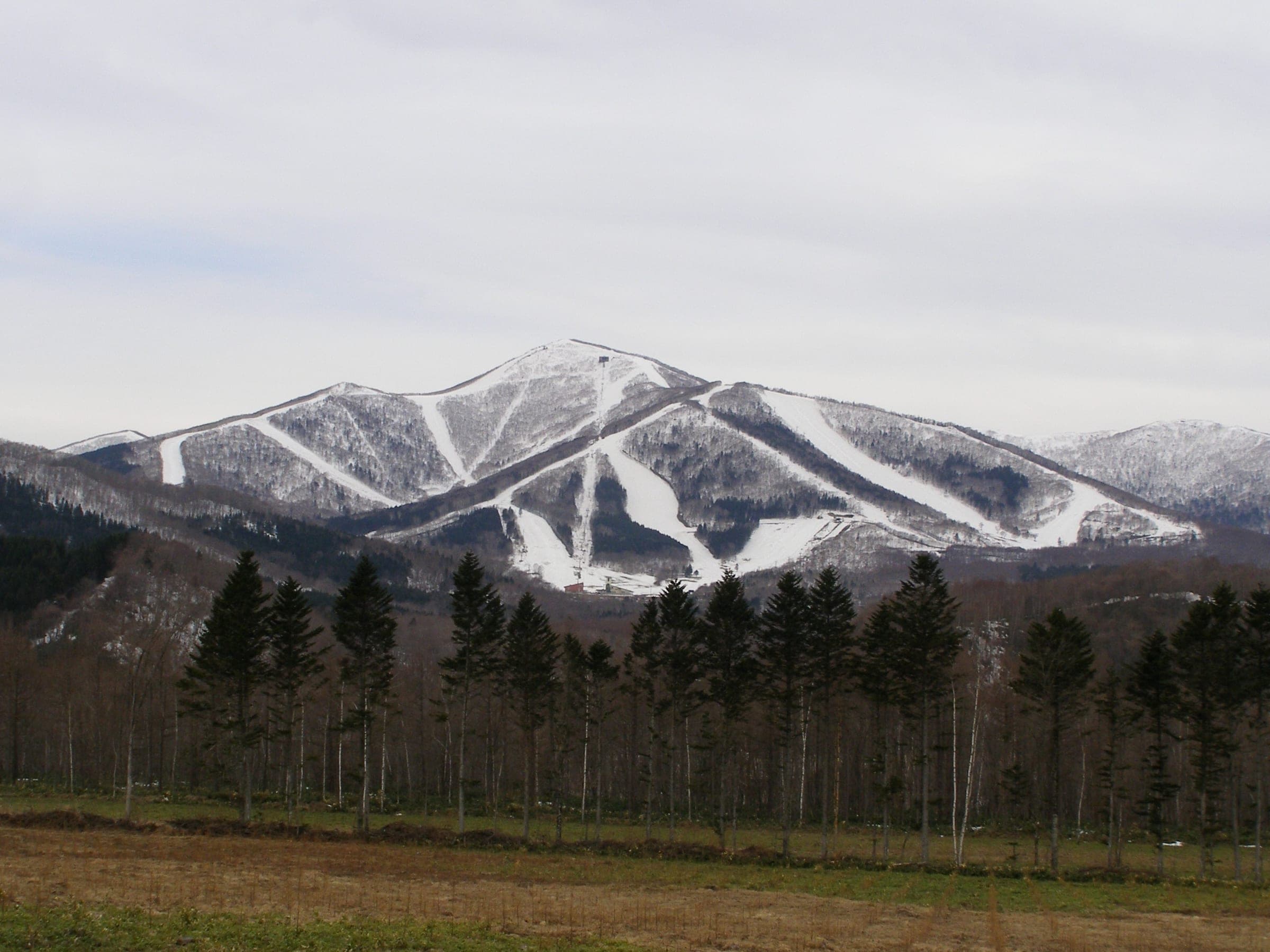
Sahoro earns a day or two on a Tomamu trip for riders who like steep fall-line groomers and short lift lines. Most of its hotel guests are beginners and intermediates, so the advanced runs stay quiet and fresh snow lasts. Plan around the snow, because Sahoro publishes no snowfall figure and its north-facing powder runs carry stumps and brush that need deep cover after a storm.
Sahoro-dake is the northernmost peak of the Hidaka Range, and Tokachi Sahoro Resort spreads down its Shintoku flank. Kamori Kanko runs the ski area and the hotel next to it. We compiled this piece from Sahoro's own ticket, course, access and pass pages plus guide sources, and computed the terrain figures from OpenStreetMap run lines and elevation data. Nobody from Ride Hokkaido rode Sahoro for it.
| Tokachi Sahoro Resort | Hoshino Resorts Tomamu | |
|---|---|---|
| Top and vertical (published) | About 1,030 m, 610 m vertical | 1,171 m, 585 m vertical |
| Advanced and expert piste (our measurement) | About 7.8 km | About 2.6 km |
| North-facing share of named runs (our measurement) | 45% | 3% |
| Steepest 60 m (our measurement) | 32.0° | 32.6° |
| Adult day ticket, 2026/27 | ¥9,300 | ¥9,500 at the counter, ¥9,200 online |
| Powder rules | Ungroomed N runs in bounds; no off-piste system | Experts Only Powder Area with yukiyama check-in |
| Night riding (2025/26) | Weekends and holidays to 18:00 | To 18:00 from 26 December to 31 March |
| Main drawback | No published snowfall; off-piste not permitted | Few steep runs |
What makes Sahoro steeper than its vertical suggests?
Sahoro packs a lot of steep ground into 610 metres. Ten of the 21 courses carry an advanced rating, and our measurement puts about 7.8 kilometres of Sahoro's mapped piste in the advanced class against about 2.6 at Tomamu. On the course page, North Way pitches to 39 degrees beside the SAJ-certified mogul course. Central Avenue drops 590 metres over 2,840 metres from the gondola top and touches 35 degrees on the way down. Catch it on a cold blue morning straight after the groomers have been through.
Our steepest-60-metre figures sit lower than the published maxima, at 32.0 degrees for Sahoro and 32.6 for Tomamu, because we average each pitch over 60 metres of mapped line. Measured the same way, the two mountains top out close together. Sahoro holds more of that steep ground, and Second Central Way and Center Bowl Way both average over 22 degrees by our count.
Where is the powder at Sahoro?
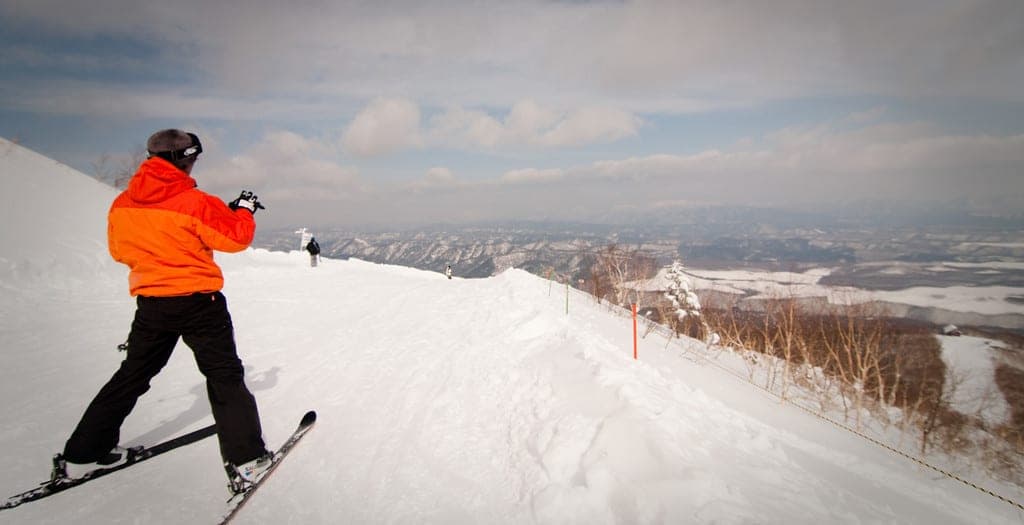
The powder sits on runs N1 to N5, and a hooded quad called the Sahoro Express serves them. The block opened in December 2016, and Tabiris reported at the time that N1, N2 and N4 would stay ungroomed while N3 and N5 got groomed. N1 Downhill runs 1,655 metres and drops 470 metres at up to 33 degrees, and nothing lets you bail out once you drop in. N3 Challenge is the gentler entry at 28 degrees. By our measurements these runs face between northwest and northeast, which is where 45 percent of Sahoro's named-run length points.
Tabiris also noted that thin snow had been Sahoro's weak point, and that the north slope faces the direction where snow collects. Tight timber and stumps make N4 harder than its 23-degree maximum suggests. The Sahoro Express does not run every day, so check the lift status before you plan a morning around the N runs.
Can you ride off-piste or in the backcountry?
Sahoro keeps riders on its marked courses. It publishes no gate or registration system, and Powderhounds reports that riding outside the marked courses is officially off limits. Tomamu runs an Experts Only Powder Area with a yukiyama check-in, so riders who want in-bounds trees should spend those days there.
Tokachi Adventure Club picks a nearby pass each morning to suit the conditions and guides backcountry days there for ¥16,500. It takes advanced riders of high-school age and up in groups of two or more. The Sahoro-dake tour climbs from Karikachi Pass to a summit shelter above the lifts. Karifuri-dake southeast of Tomamu holds deep east-facing snow.
Turn the card over for the facts, or add Tokachi Sahoro Resort to a trip.
What does a day at Sahoro cost?
For 2026/27 Sahoro lists an adult day at ¥9,300, a 4-hour ticket at ¥7,400 and an afternoon ticket from 13:00 at ¥5,300. Opening week (1–6 December) and the final week (29 March–4 April) drop the day to ¥4,700, and the day costs ¥7,000 from 7 to 13 December and from 23 to 28 March. In 2025/26 the day cost ¥8,800. If the gondola stops for three hours or more, your next ticket of the same type is half price, and ski school students get a half-price day too.
Kamori's K-Winter Pass covers Sahoro along with Rusutsu, Sapporo Teine and Nakayama Pass. Sahoro sits outside the Hokkaido Powder Belt pass, which Tomamu belongs to. Club Med packages include the lift pass.
How do you get there?
The limited express Tokachi and Ozora stop at JR Shintoku, about 1 hour 58 minutes from Sapporo for ¥6,690 with a reserved seat. From the station, Sahoro's free shuttle carries overnight guests who book by 17:00 the day before. Day visitors take a taxi for about ¥4,800 in winter. By car Sahoro is about 1 hour 50 minutes from New Chitose Airport and 80 minutes from Tokachi-Obihiro Airport. Tomamu is about 40 minutes away over Route 38, and JR Tomamu is one stop back toward Sapporo. Our guide to Hokkaido without a car lays out the buses and shuttles at both.
Where should you stay?
Club Med Sahoro Hokkaido opened in 1987 as Club Med's first resort in Japan, and its price covers the lift pass, lessons, meals and an open bar. The Sahoro Resort Hotel next door runs a Hokkaido buffet and a sauna where you pour your own löyly. Its first high-speed lift out front starts at 08:45, fifteen minutes ahead of the rest of the mountain. Shintoku grows soba on the western edge of the Tokachi plain, and a bowl there makes a good stop on the way to the train.
For a split stay, give Tomamu three nights for its powder area and park and finish with two at Sahoro on steep corduroy and empty chairs.
When should you go?
Mid-January to late February is peak season, and the cold keeps the snow dry this far inland. Sahoro planned its 2026/27 season to open in December. In September 2026 the resort posted a notice that the volcanic alert level at Tokachi-dake had been raised, and it said the summit sits about 30 kilometres away and the resort was unaffected.
How we researched this
In October 2026 we read Sahoro's ticket, course, access, K-Winter Pass and news pages, Club Med's Sahoro page and the 2016 Tabiris report on the north slope. Prices are adult tickets for the season named. Figures marked as our measurements come from OpenStreetMap run lines with AWS Terrain Tiles elevation sampled every 20 metres. The steepest pitch is the hardest 60 metres of a run, and aspect is the direction a run's longest section faces. We compare our measured figures only with each other.
Quick answers
How much is a lift ticket at Sahoro in 2026/27?
A Tokachi Sahoro Resort adult day ticket costs ¥9,300 in 2026/27, up from ¥8,800 in 2025/26. Sahoro sells ¥4,700 day tickets for opening week (1–6 December) and the final week (29 March–4 April), and an afternoon ticket from 13:00 costs ¥5,300.
How far is Sahoro from Tomamu?
Sahoro is about 40 minutes from Tomamu by road over Route 38. By train, JR Shintoku is the next limited-express stop after JR Tomamu heading away from Sapporo, and Sahoro is about 15 minutes from Shintoku by hotel shuttle or taxi.
Can you ride off-piste at Sahoro?
Sahoro publishes no gate or registration system for off-piste riding, and Powderhounds reports that riding outside the marked courses is officially not permitted. The ungroomed powder at Sahoro sits on the in-bounds N1 to N5 runs under the Sahoro Express.
What are the steepest runs at Sahoro?
North Way is the steepest run at Sahoro, at a published 39 degrees beside the SAJ freestyle mogul course. Central Avenue drops a published 590 metres over 2,840 metres from the gondola top and reaches 35 degrees.
We write from operators’ and agencies’ own pages, open map data and published research, and we date every fact we check. How we research.