01 Best of · 7 min read
Which Hokkaido resorts get the best powder?
Few Hokkaido resorts publish a snowfall average, so we judged powder on what the snow lands on and who gets to it first, alongside the figures that do exist.
Read the storyJournal · 読む
Comparisons and field notes built from published figures and our own terrain measurements, with every source linked in the story.
01 Best of · 7 min read
Few Hokkaido resorts publish a snowfall average, so we judged powder on what the snow lands on and who gets to it first, alongside the figures that do exist.
Read the story04 Where to stay · 7 min read
Six bases sit around the same mountain, and each one changes what your evenings look like. Here's who each base suits and how you get between them.
Read the story Frederick Wallace / Unsplash
05 Best of · 7 min read
Each resort here sets its own rules for the forest, from open access at Rusutsu to sign-in armbands at Nayoro. We ranked them on the trees and the rules, and on what a day costs.
Photo by Marek Okon on UnsplashFeatures · 特集
Mountains
11 Feature · 5 min read
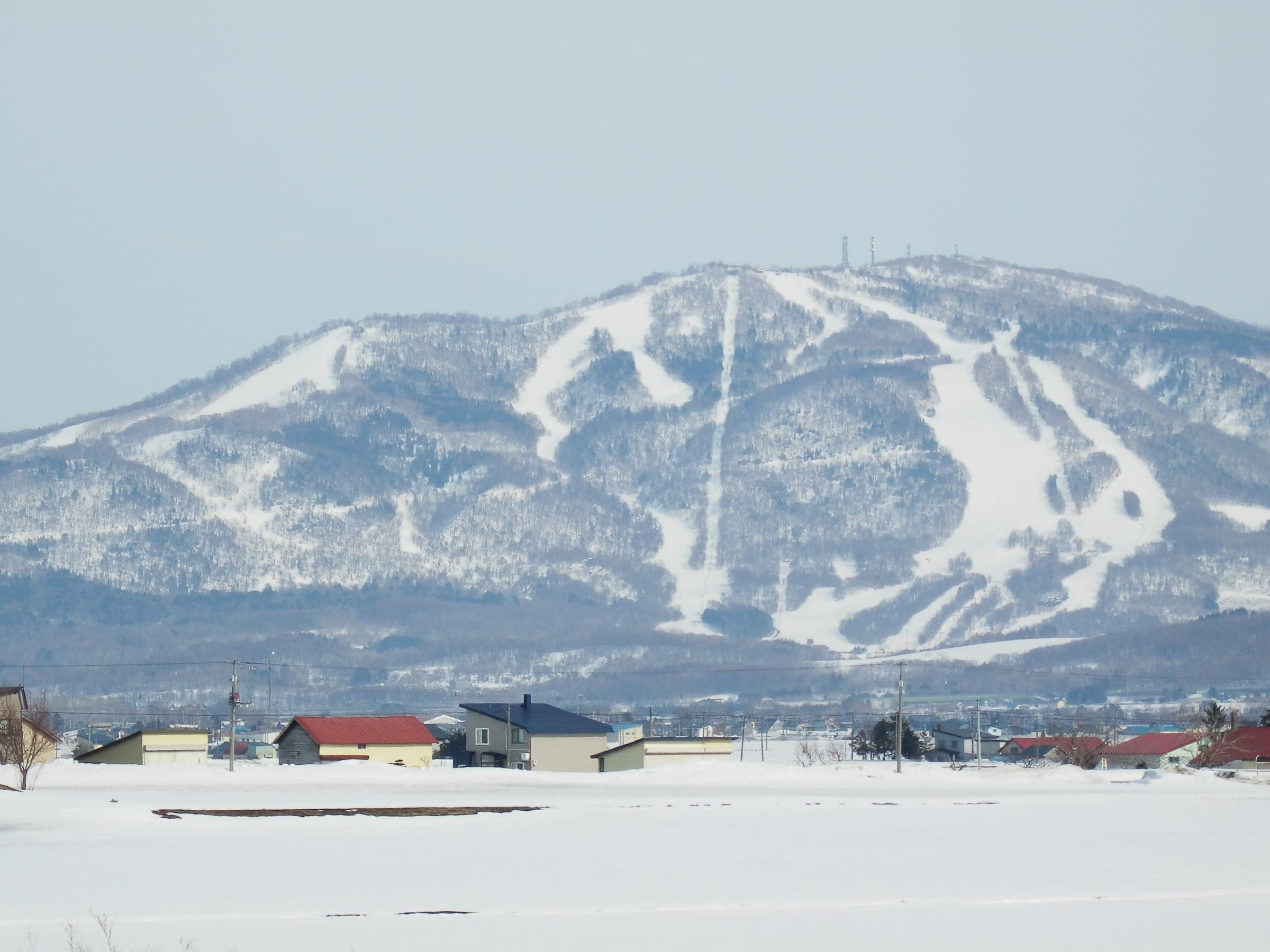
Kamui Ski Links charges ¥5,300 for a day and leaves its tree courses to the snow. We worked out who should spend a storm day there and how to fit it around a base in Asahikawa or Furano.
Photo Wakimasa · Wikimedia Commons · Public domain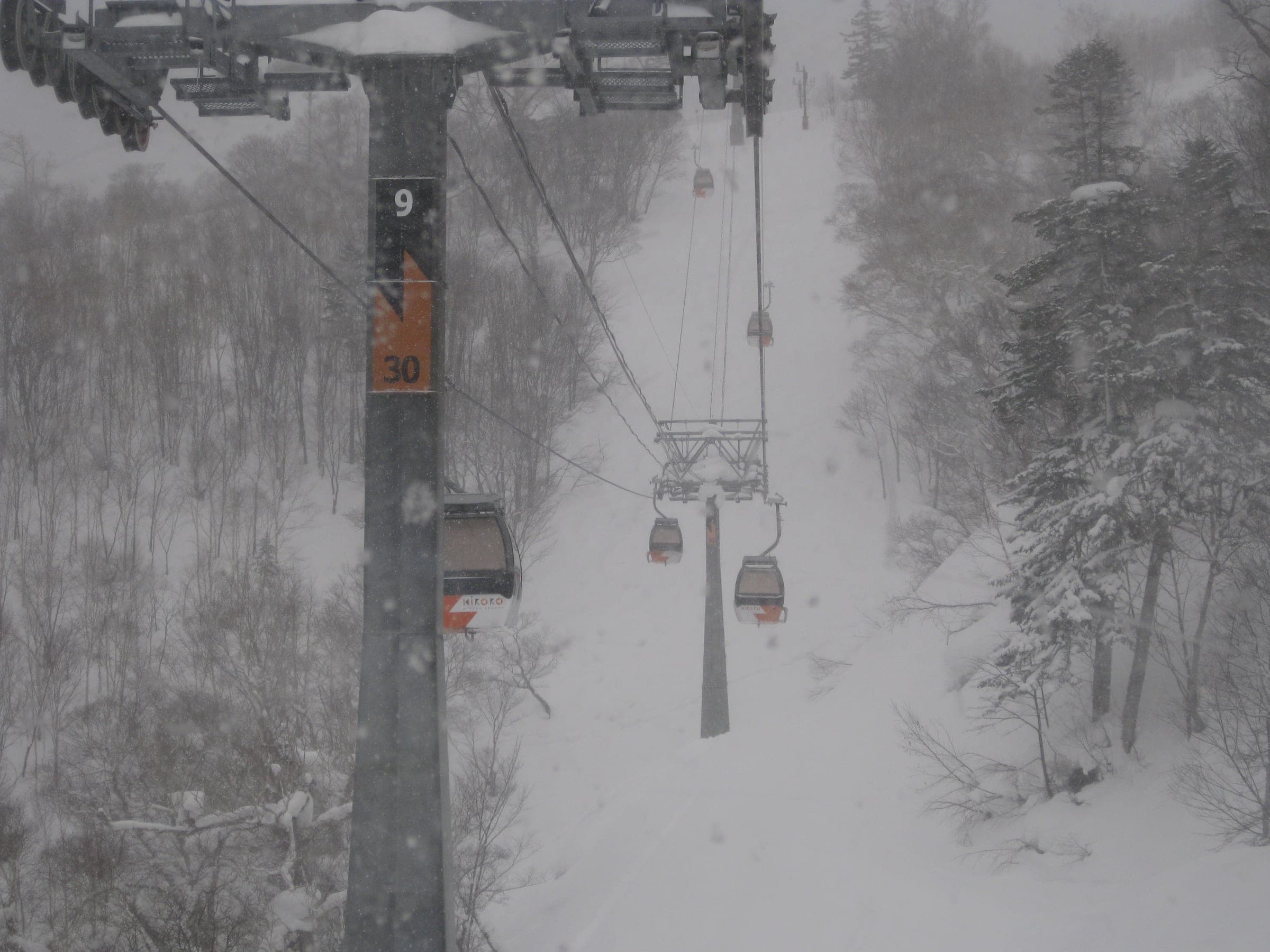
12 Feature · 6 min read
Kiroro gets more snow than any other Hokkaido resort that publishes a figure, and most riders only see it on a day trip from Sapporo. We checked whether the basin above Akaigawa can carry a week.
Photo いざ北海道 · Wikimedia Commons · CC BY-SA 3.0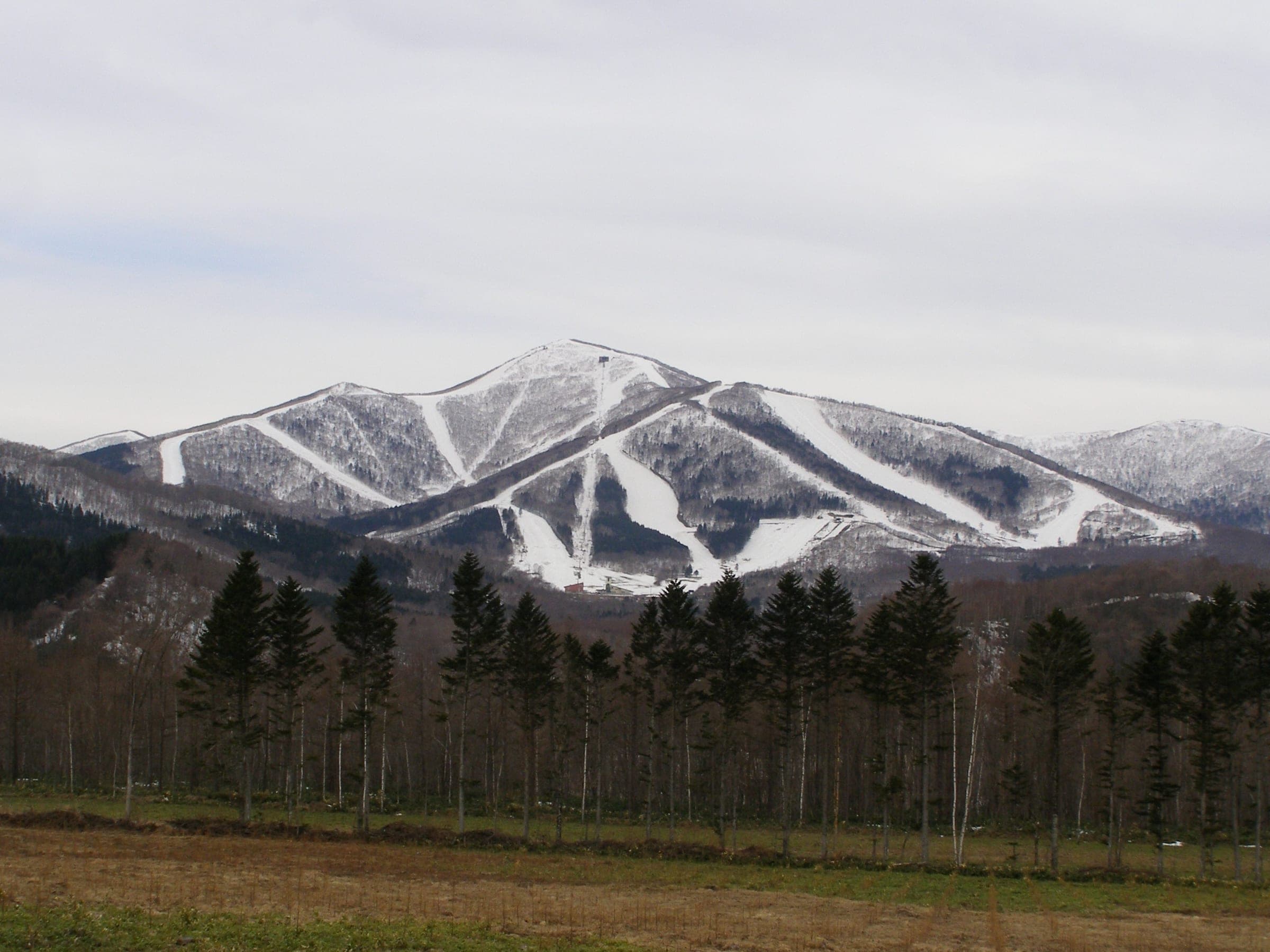
14 Feature · 5 min read
Sahoro sits one stop down the line from Tomamu, and most guests on its lifts are still learning. We looked at what that leaves for a stronger rider and how to fit both mountains into one trip.
Photo wakimasa · Wikimedia Commons · CC0Backcountry

09 Feature · 5 min read
The Asahidake Ropeway lifts you to 1,600 m on Hokkaido's highest volcano in about ten minutes, and from the top station nobody patrols anything. We read the town's warnings, the Hokkaido Wilds routes and the police numbers to show where the good snow is and where people get lost.
Photo by Ray Eldath on Unsplash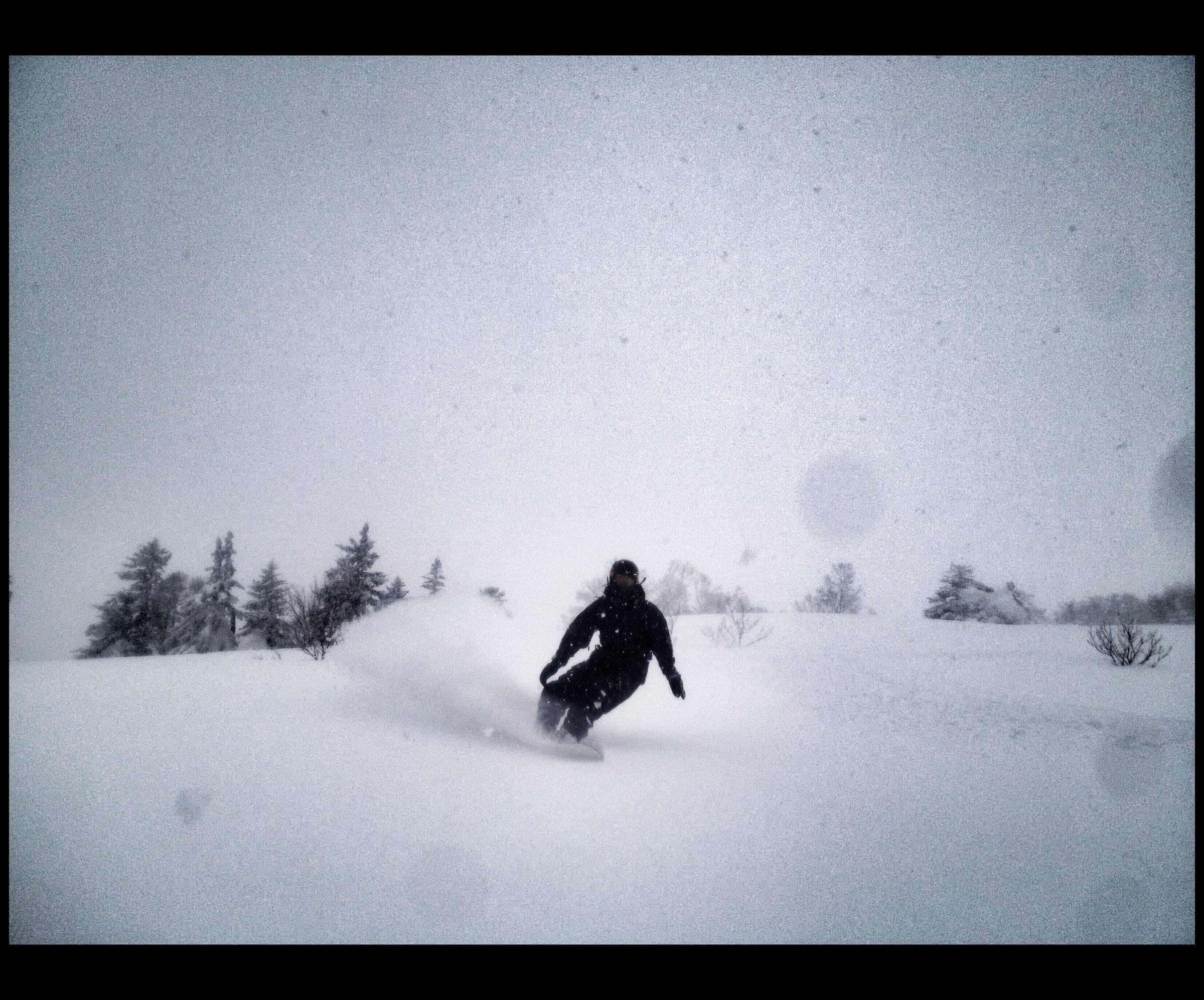
13 Feature · 5 min read
Route 274 climbs to 1,022 m where it crosses the Hidaka Range between Sapporo and the Tokachi plain, and its plowed lots put three peaks within a short skin of the car. We set them side by side from the Hokkaido Wilds guides and our own reading of their GPS tracks.
Photo Hiyashimizu · Wikimedia Commons · CC BY 3.0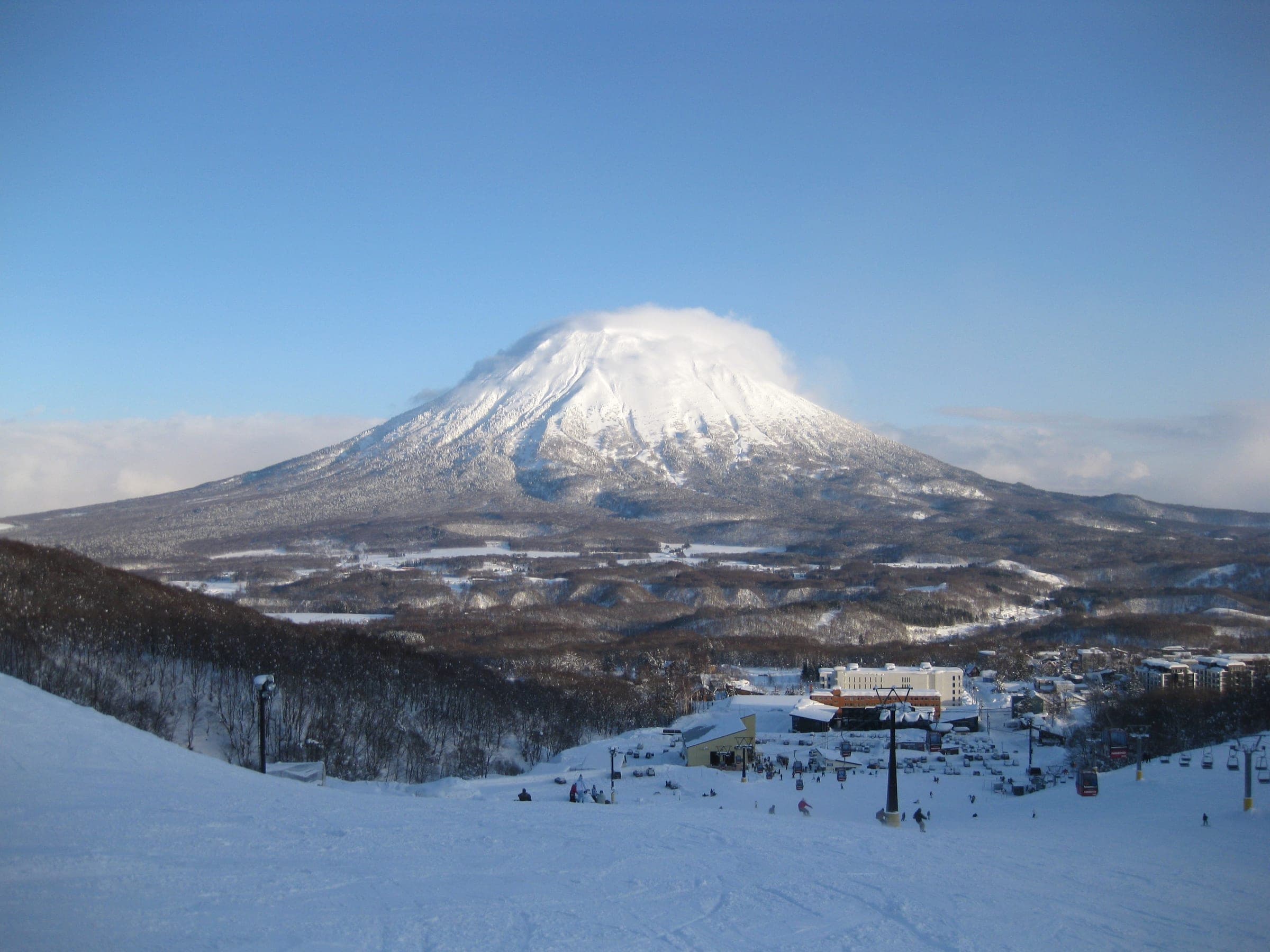
23 Feature · 6 min read
Mt Yotei carries ski routes on almost every side of its 1,898 m cone, and nobody patrols or controls any of them. We worked through the Hokkaido Wilds tracks, trip reports and police records to find where a first visit should start.
Photo Douglas P Perkins (Douglaspperkins (talk)) · Wikimedia Commons · CC BY 3.0Stay
17 Feature · 5 min read
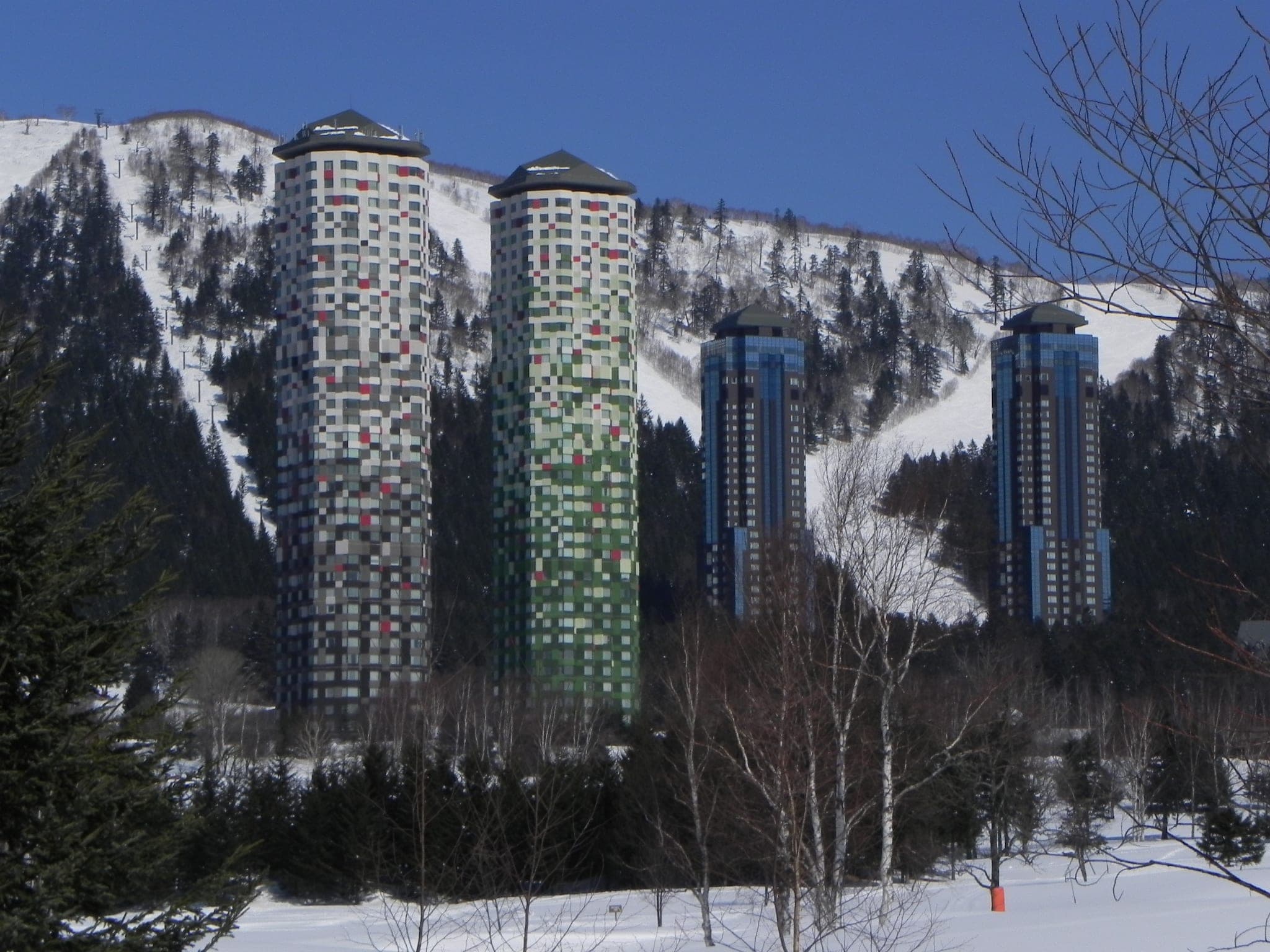
Tomamu has no town at the bottom, so the hotel you pick decides how far you walk to the lifts and what you come home to. Both hotels belong to Hoshino Resorts, and they suit two very different trips.
Photo pakku · Wikimedia Commons · CC BY 3.0
20 Feature · 6 min read
Noboribetsu pipes nine kinds of spring water into one small town below a steaming crater. Pick the right bed and a single night off the board covers the best bathing in Hokkaido.
Photo by Ian Lai on Unsplash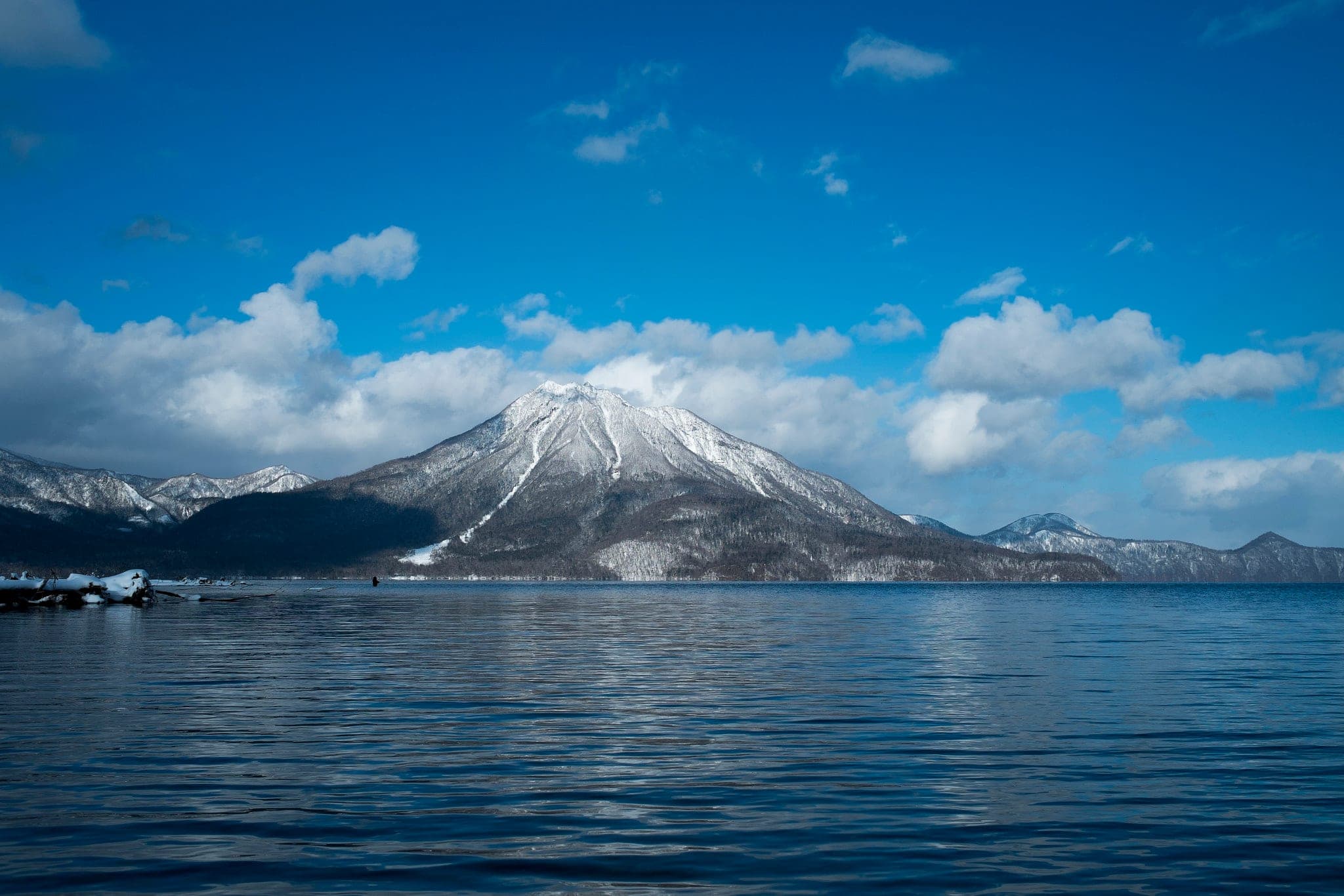
22 Feature · 5 min read
Lake Shikotsu sits about 40 minutes from New Chitose, and its water stays open through the coldest weeks of winter. Three inns on its shore turn the night before a flight into a proper soak.
Photo Inlet Masu · Wikimedia Commons · CC BY-SA 3.0Onsen
18 Feature · 5 min read
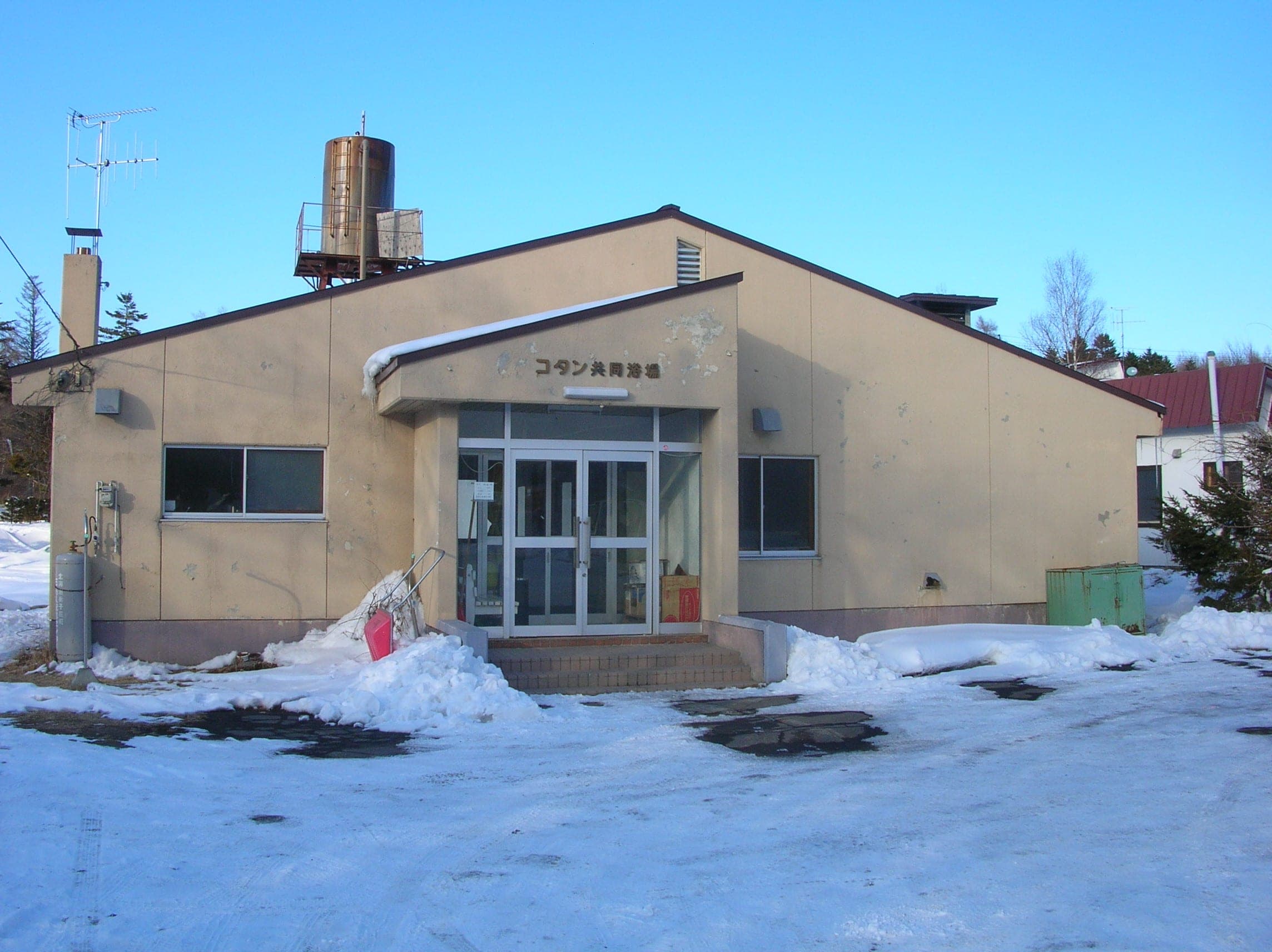
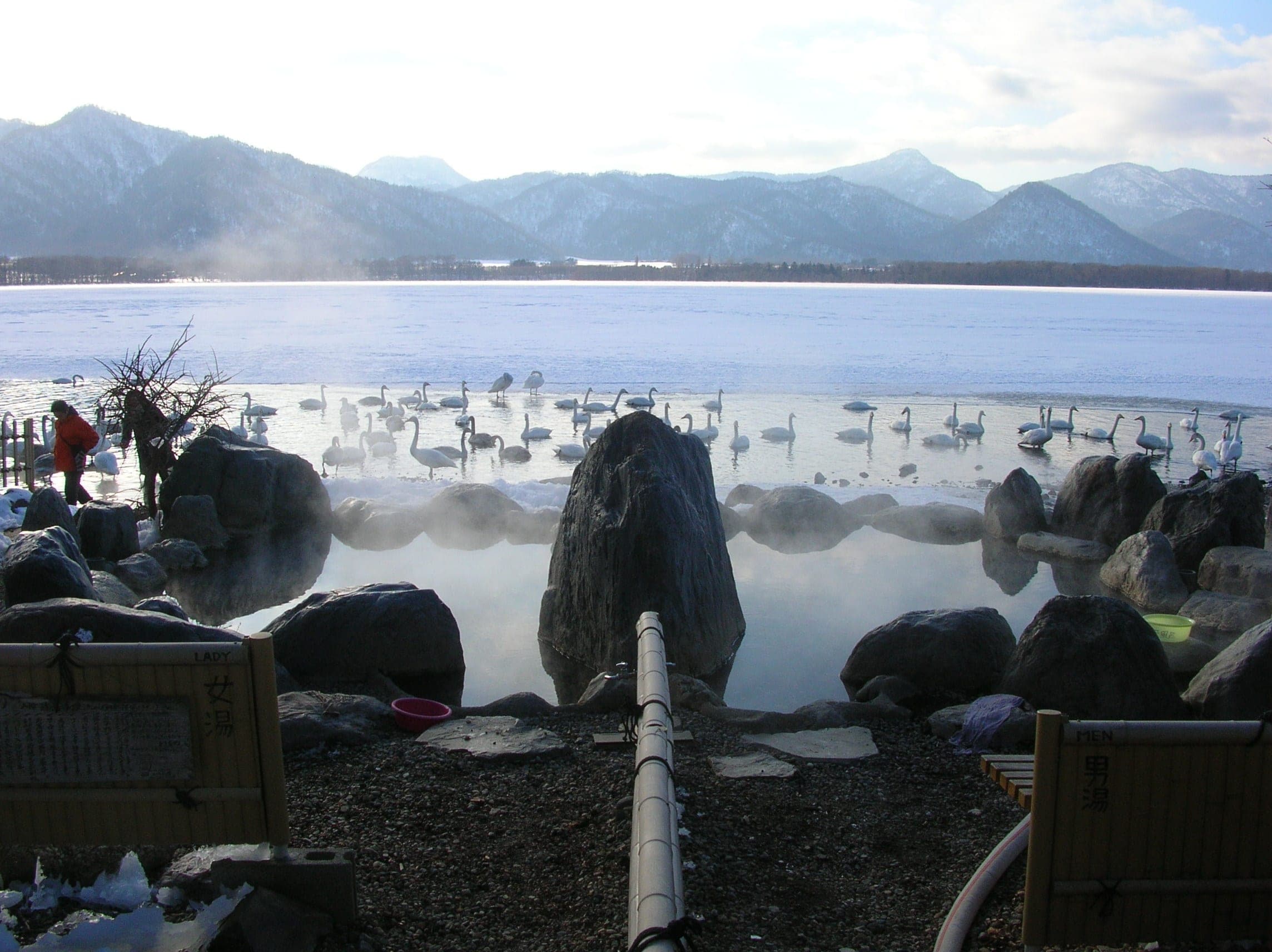
Kotan-no-yu is a free rock pool on the beach of Lake Kussharo, and in winter whooper swans drift a few metres from the bathers. It belongs to an Ainu village at the lake's outlet, and the people who keep it clean ask for a little care in return.
Photo pakku · Wikimedia Commons · CC BY 3.0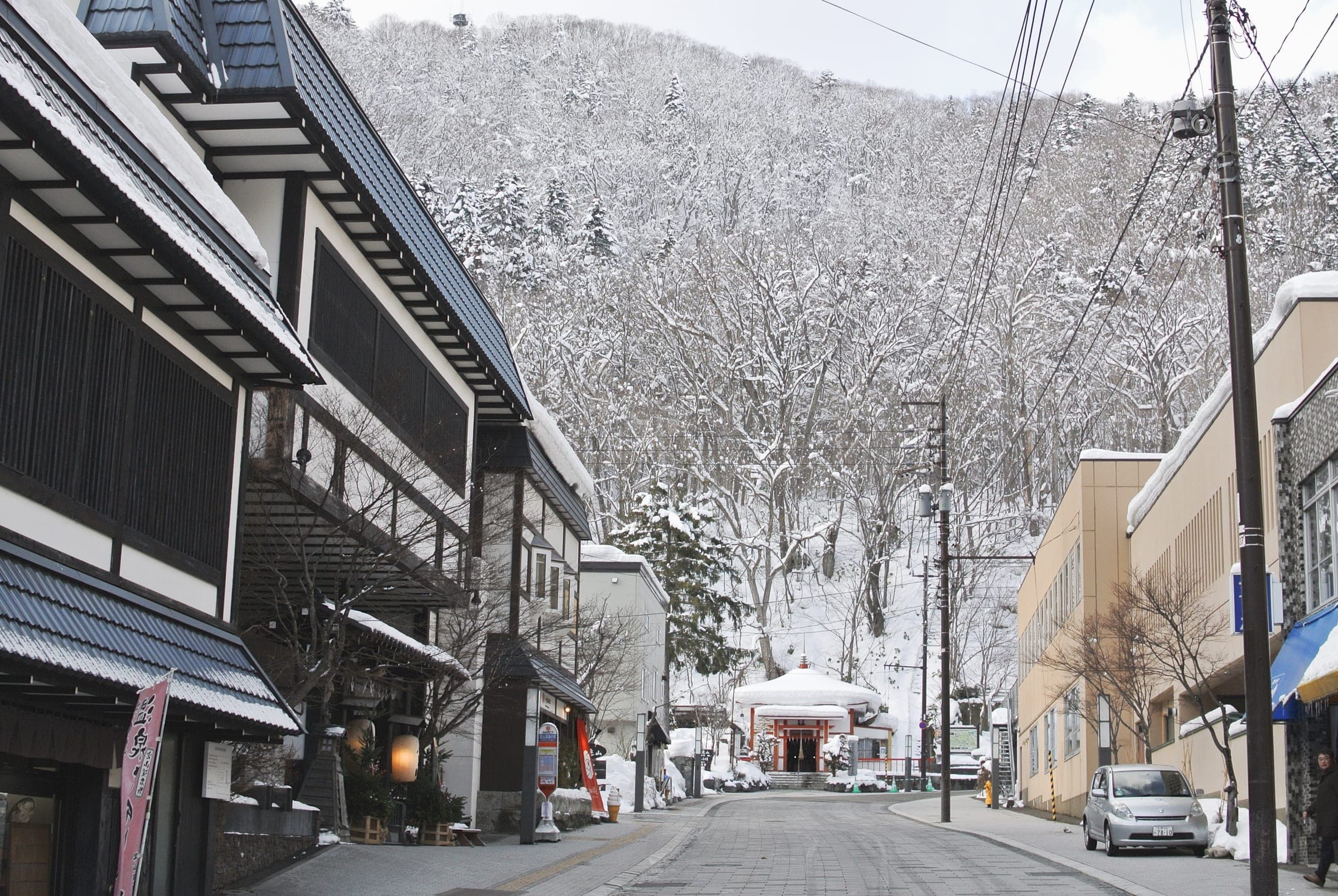
19 Feature · 5 min read
Jozankei fills a steaming bend of the Toyohira River below Sapporo Kokusai, and every hotel in the gorge draws on the same salty spring. Choose your bath by the clock and by the tattoo rule, and use the free foot baths on the walk between.
Photo MIKI Yoshihito. (#mikiyoshihito) · Wikimedia Commons · CC BY 2.0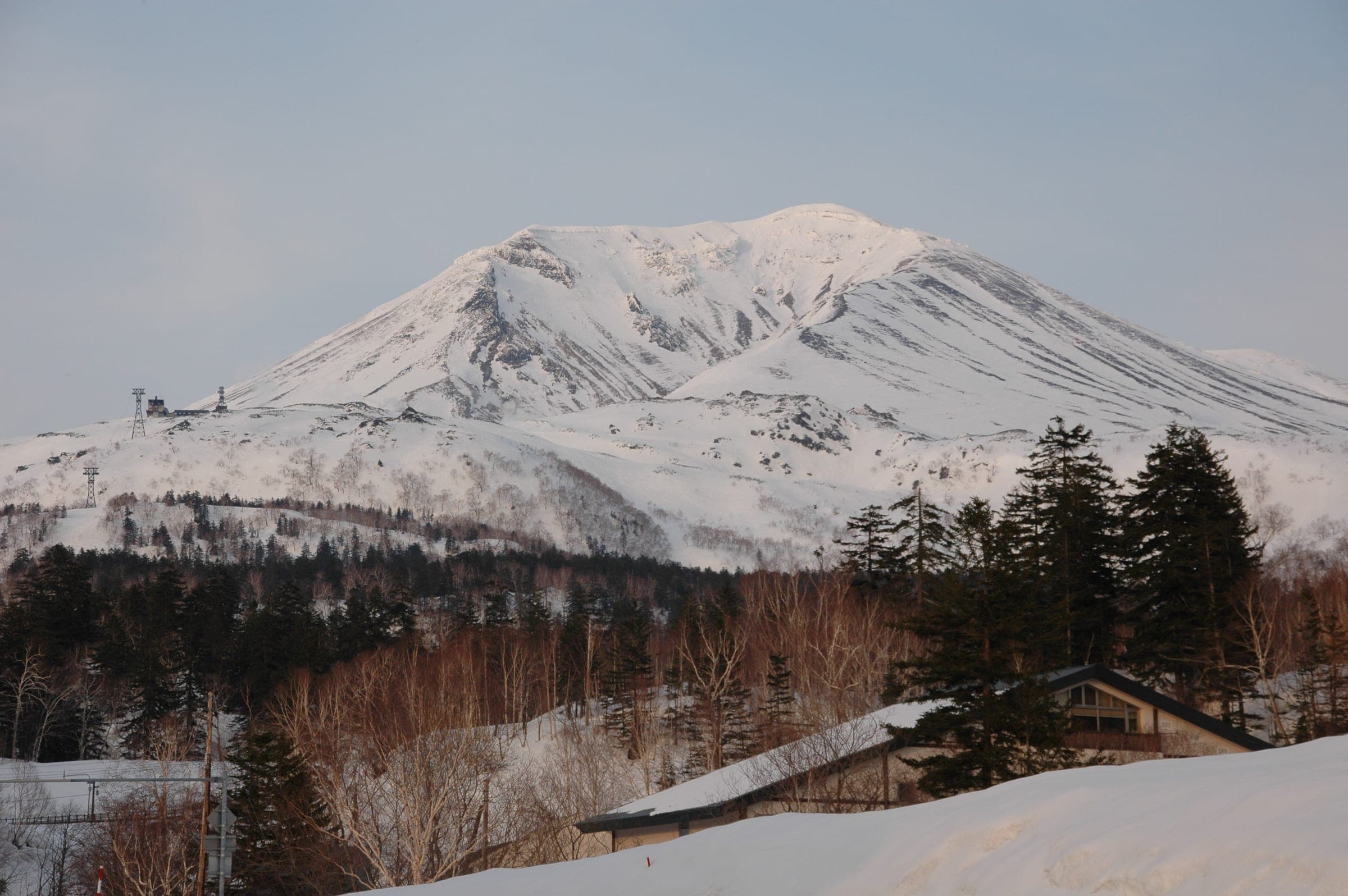
21 Feature · 4 min read
Asahidake Onsen is a handful of inns where Route 1160 runs out at about 1,100 metres under Hokkaido's highest peak. The ropeway drops you beside them at the end of the day, and they pour an uncommon clear sulphate spring.
Photo user:ほくなん · Wikimedia Commons · Public domainTowns

10 Feature · 6 min read
Asahikawa puts five ski areas within about an hour and a quarter of one hotel room, and the city's shoyu ramen is waiting when you get back. Here's how far each hill sits and what the commute costs.
Photo by Cuvii on Unsplash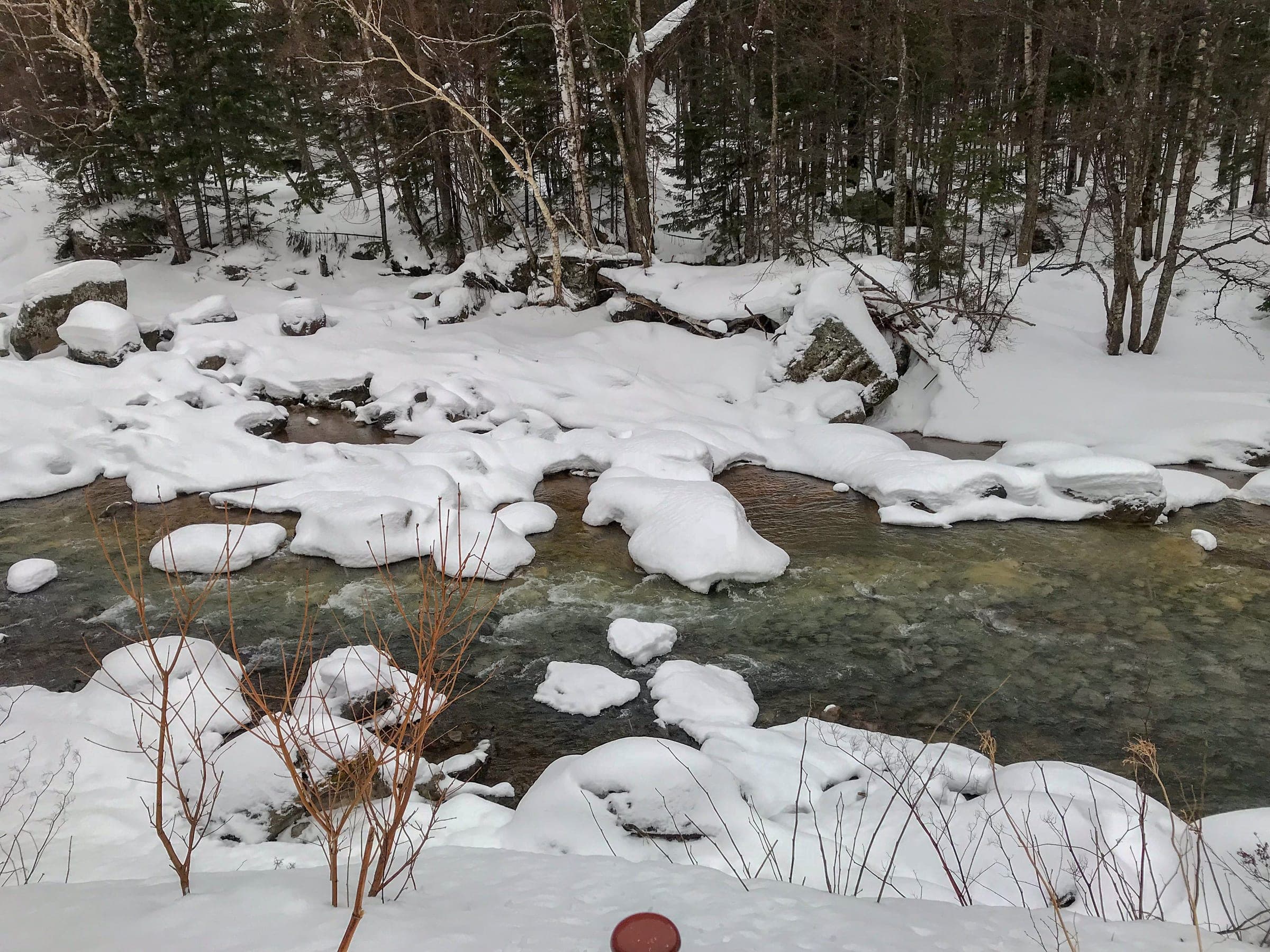
15 Feature · 5 min read
Sounkyo's onsen village sits on the floor of a basalt gorge, and the Kurodake Ropeway leaves from the top of its main street. Here's who should sleep there and what Kurodake costs in 2026/27.
Photo AsPJT · Wikimedia Commons · CC0
16 Feature · 6 min read
Otaru keeps its herring-era warehouses and sushi counters about fifty minutes by bus below Kiroro. Here's how the commute works in 2026/27 and how to spend the nights.
Photo by Yuri Li on Unsplash