Otaru
小樽43°12′ N 141°00′ ECityPop. 102,385Sapporo
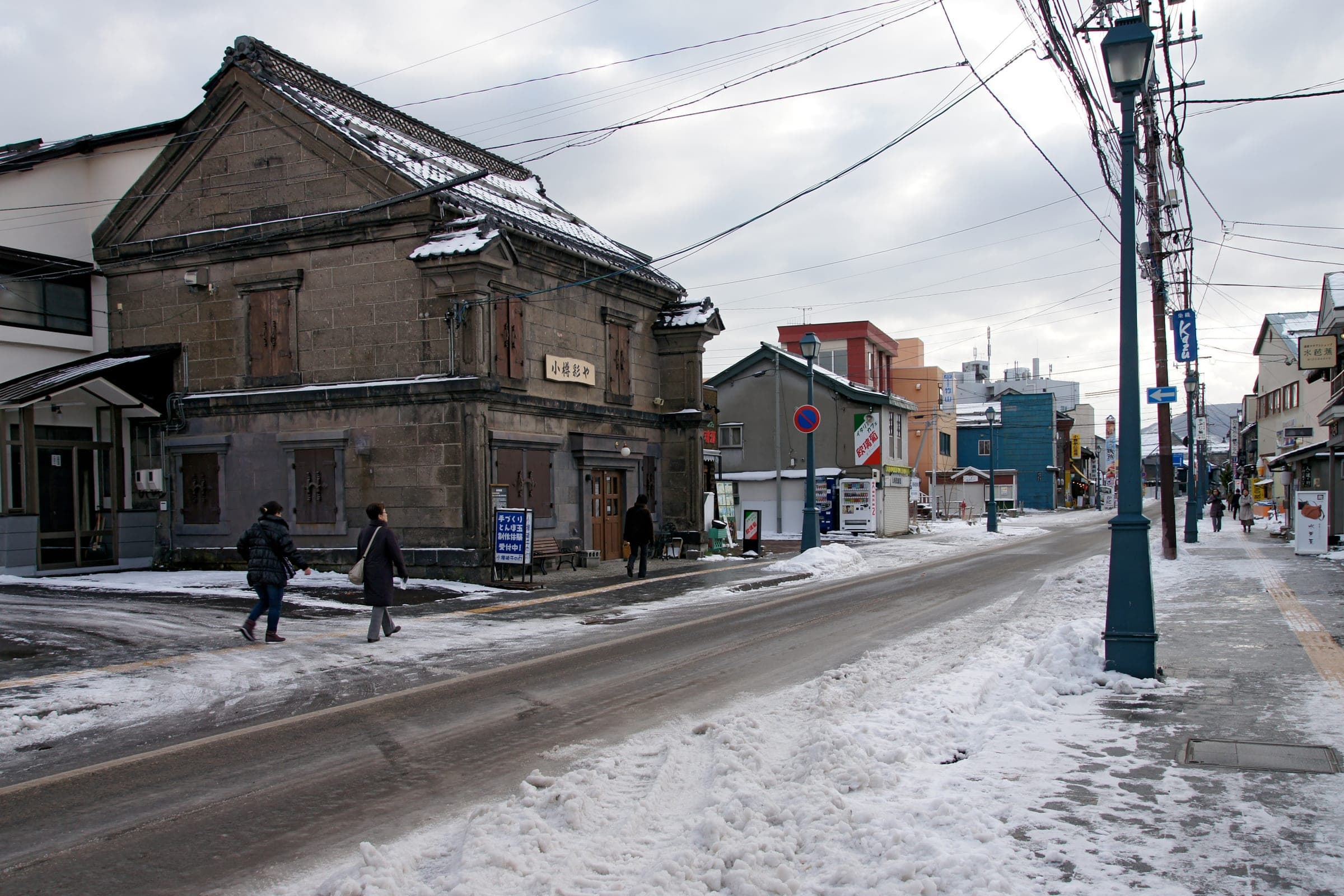
Otaru made its fortune on herring, and its stone warehouses now house sushi counters forty minutes from Kiroro.
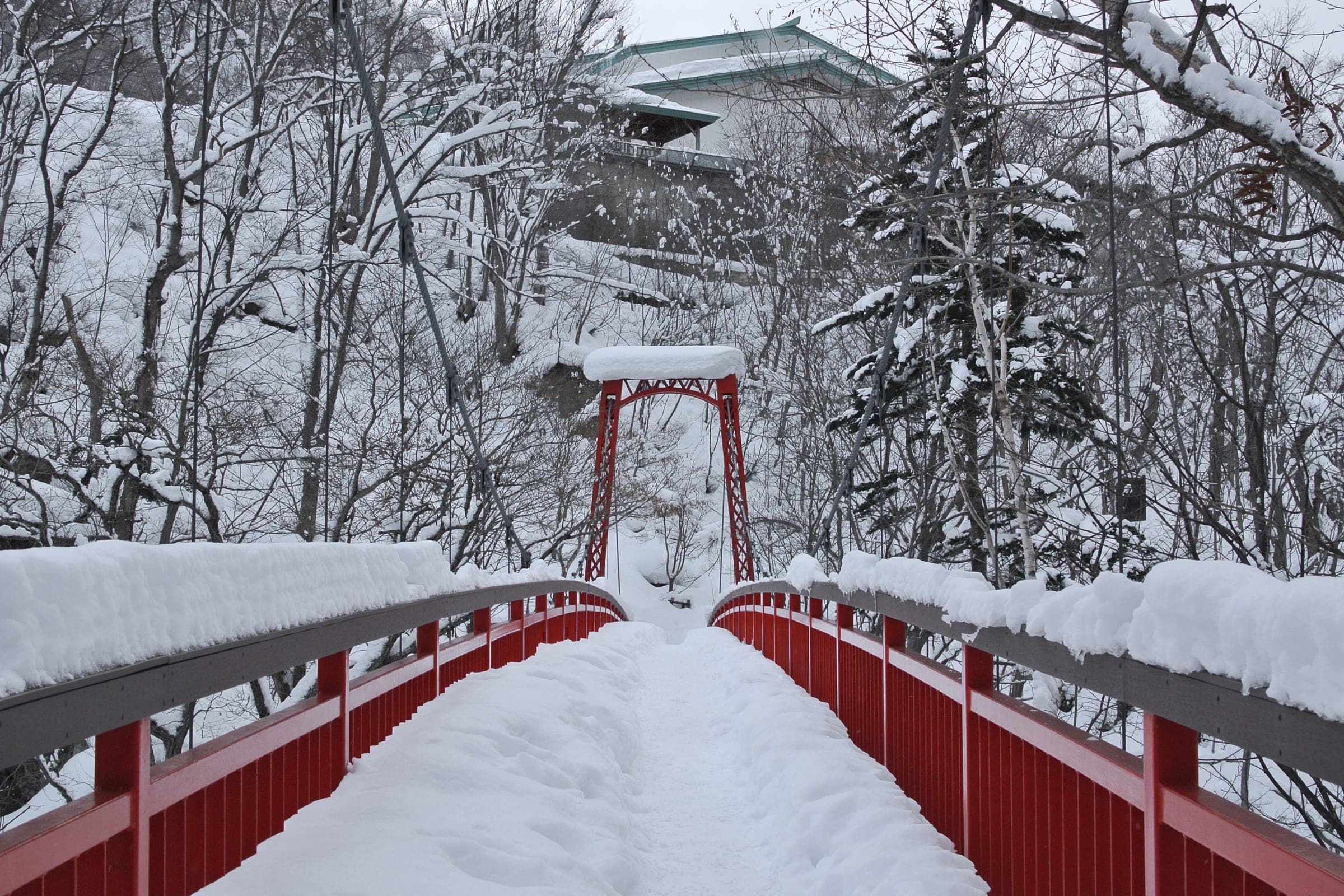
Photo by KWON YOUN on Unsplash and others, credited in the gallery
Who should base here
Stay here for Kiroro on weekdays and the best sushi on the trip, with a real town to walk at night. It suits riders who want a base with character within an hour of Sapporo.
The name
ota-or-nay
オタ・オㇽ・ナイThe river in the sandy beach
ainu
The name first belonged to a different place. Ota-or-nay was the old Otarunai River near today's Sapporo boundary at the mouth of the Hoshioki River, where the Matsumae domain opened a trading post. That shore took the full force of the winter wind, so the post moved west to a sheltered cove the Ainu called Kuttar-us (where the giant knotweed grows), near today's Irifune. The post kept its old name, and the new site became Otarunai and then Otaru.
SourceEat · 食べる
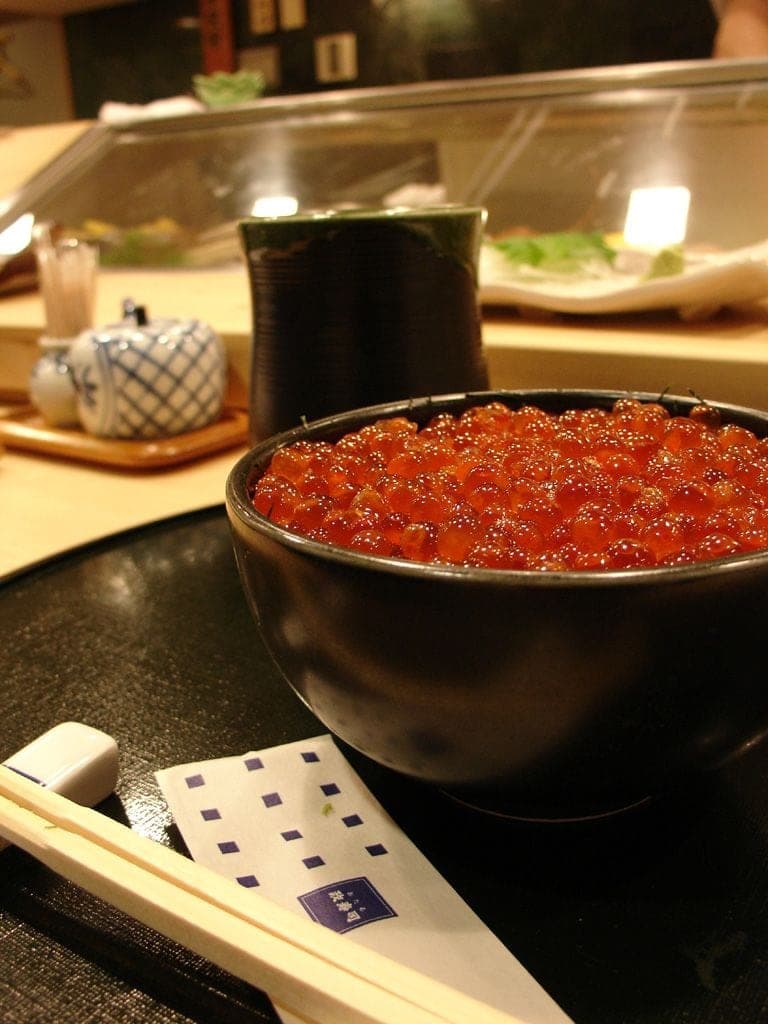
framestealer from Sushi restaurant Masa Zushi in Otaru, Hokkaido / Wikimedia Commons · CC BY 2.0 Otaru Masazushi Hontenおたる政寿司 本店sushi¥¥¥
The flagship of an Otaru family business that has been making sushi for over eighty years, right on Sushiya-dori in Hanazono. Counter seats let you watch the chef work. Order the local catch and ask what came in that morning.
Isezushi伊勢鮨sushi¥¥¥¥
This small counter near the station takes reservations by phone or through its online booking page, and bookings open two months ahead at 11:00. Seasonal Hokkaido fish handled with great care. Closed Wednesdays and the first three Tuesdays of each month.
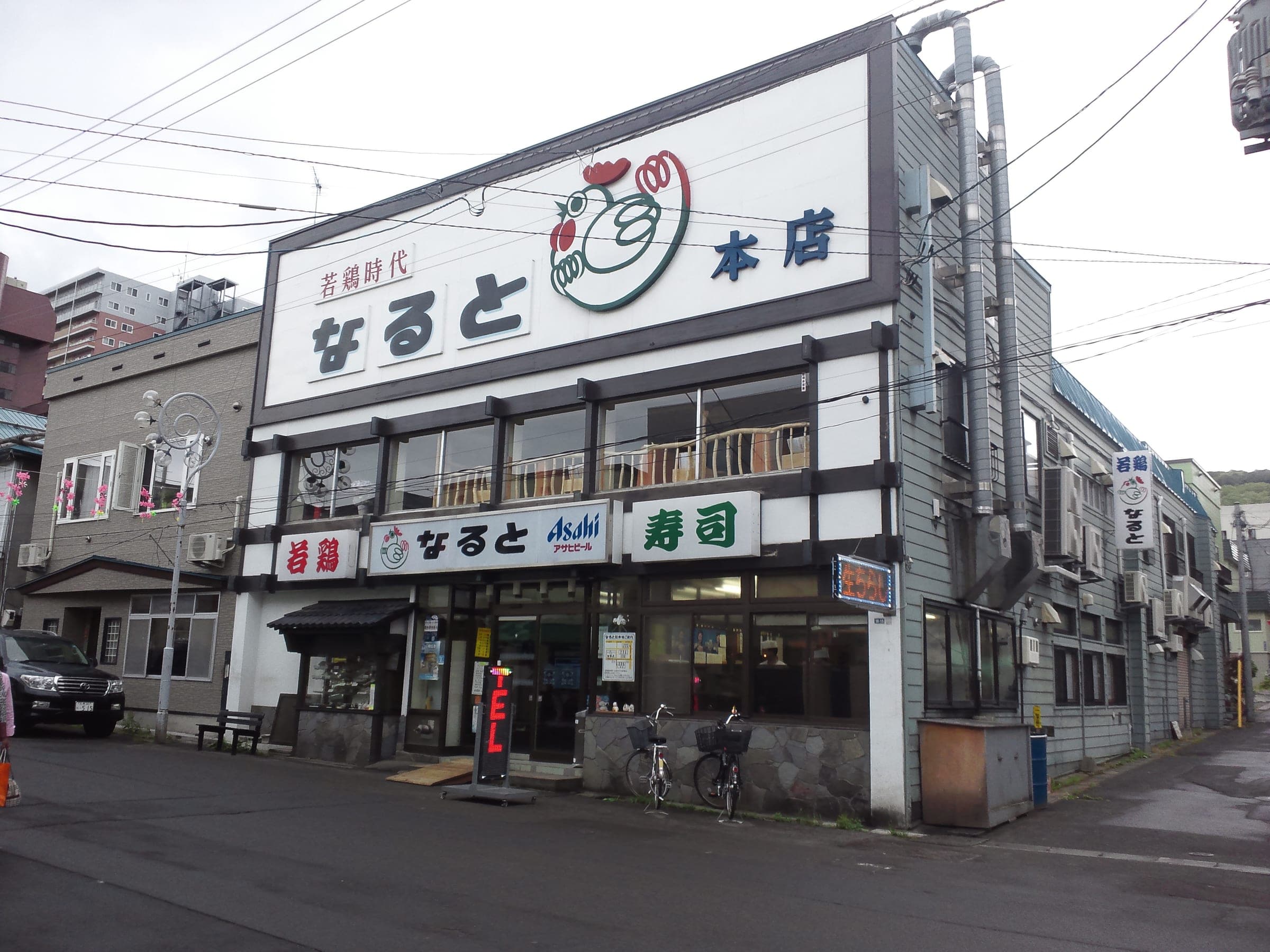
Gpx-evo / Wikimedia Commons · CC BY-SA 3.0 Wakadori Jidai Naruto Honten若鶏時代なると 本店izakaya¥¥
Naruto has deep-fried seasoned half chickens whole as its house signature since 1952. The menu also runs to zangi and seafood bowls. It gets loud in the evenings and sits a short walk from Otaru Station.
Shodai初代ramen¥
A ramen shop in Sumiyoshi-cho near Minami-Otaru with a strong seafood stock. The white tamari shoyu bowl is limited to thirty a day and sells out.
Ramen Otaruzakaらーめん処 小樽坂ramen¥
Tonkotsu-based ramen in the Haikara Yokocho food alley on the second floor of Wing Bay Otaru, and a decent plate of ankake yakisoba if you want to try the local noodle habit.
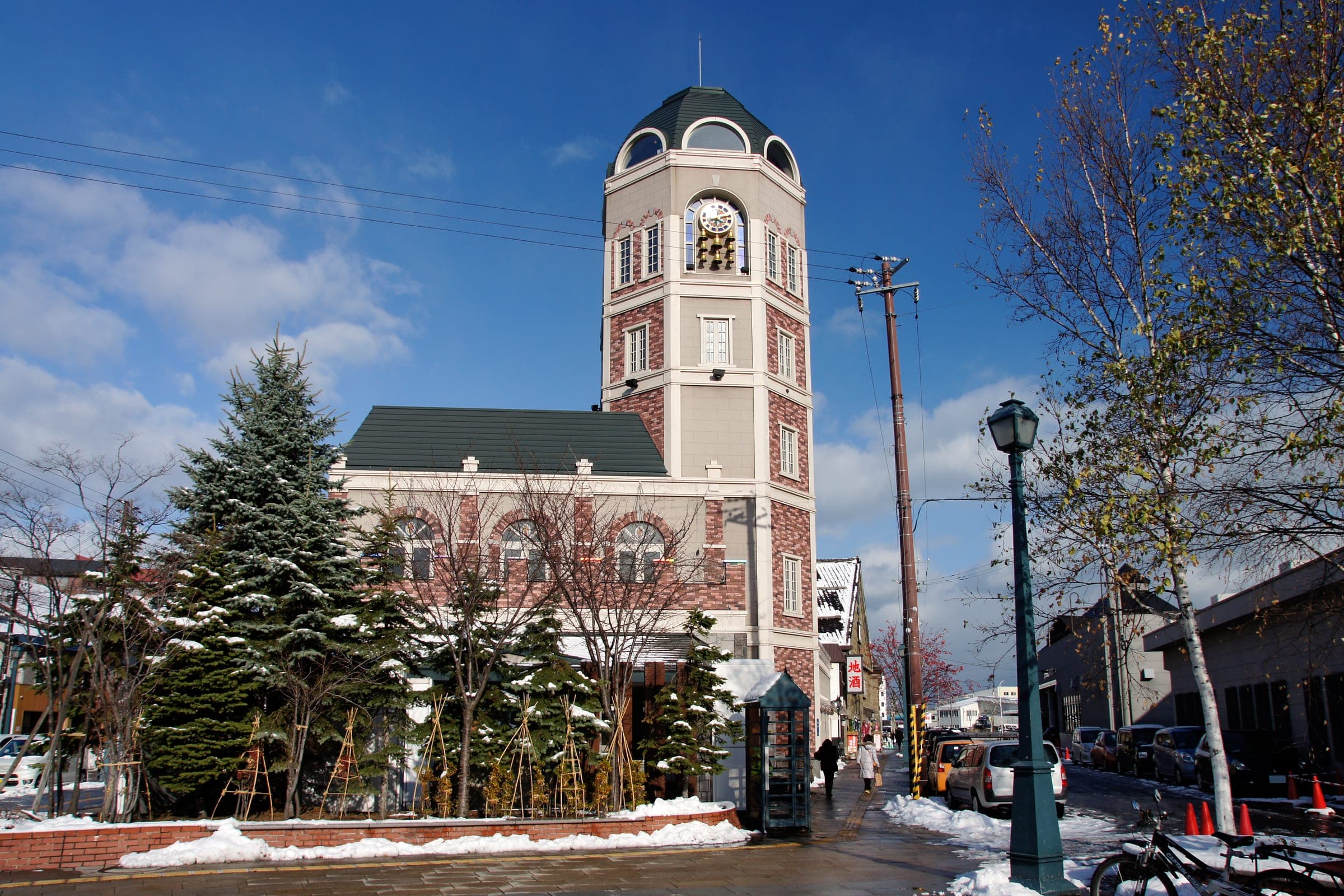
663highland / Wikimedia Commons · CC BY 2.5 LeTAo Main Storeルタオ本店cafe¥
The Otaru confectioner that made the double fromage cheesecake famous has kept its main store at the Sakaimachi end of the old town since 1998. The café upstairs serves it fresh.
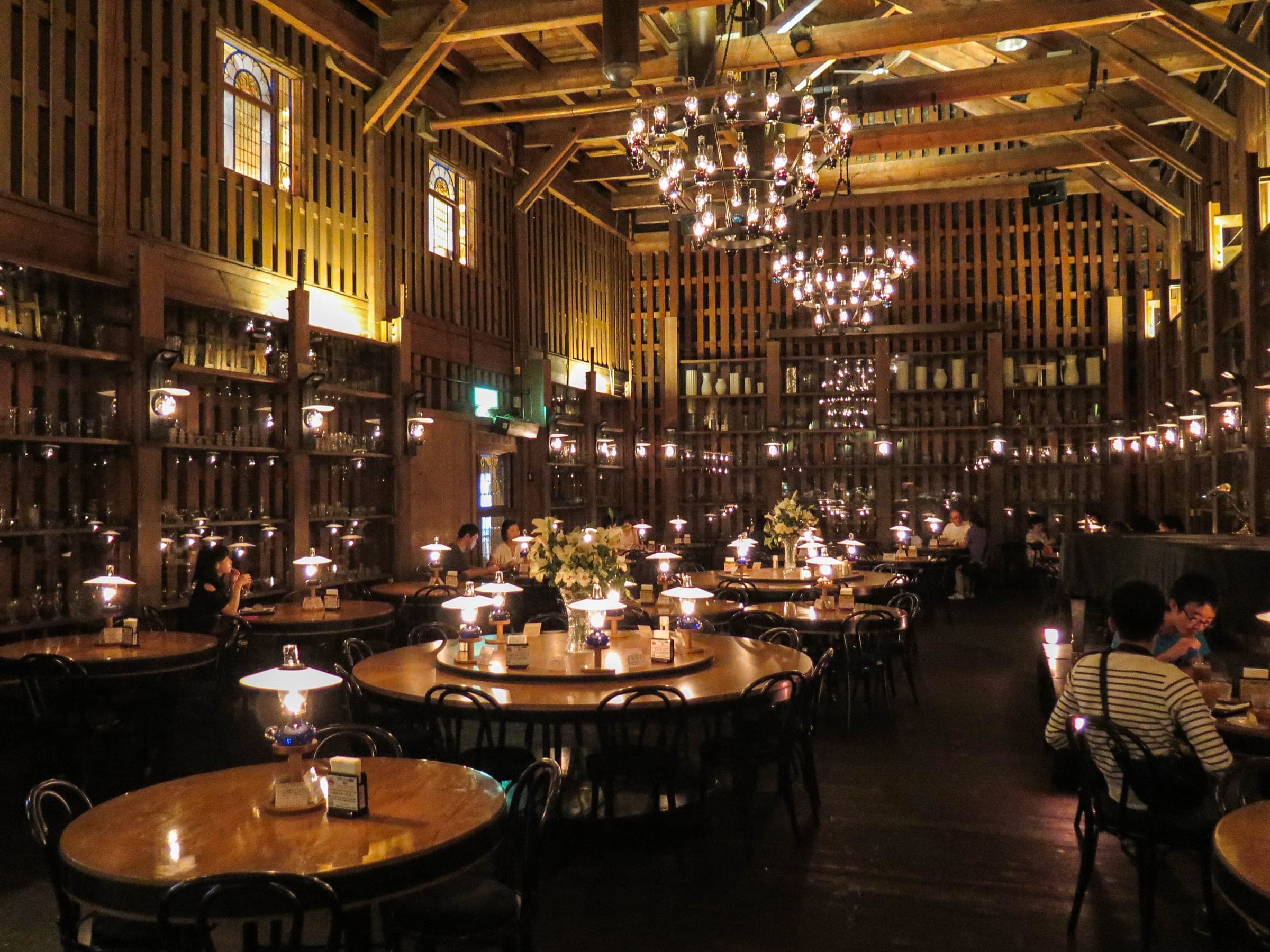
Wpcpey / Wikimedia Commons · CC BY 4.0 Kitaichi Hall北一ホールcafe¥
This café inside one of Kitaichi Glass's old stone buildings in Sakaimachi is lit by 167 oil lamps. Staff light the lamps by hand at opening, and you can watch them do it.
Drink · 飲む
Nikka Bar Ritabar
A small whisky bar in the Denuki Koji food alley by the canal, set up to pour Nikka from the Yoichi distillery up the coast. Expect a ¥500 cover. Closed Tuesdays.
Otaru Soko No.1brewery
Otaru Beer's German-style brewpub in a canal-side warehouse at Minatomachi. The brewery announced in October 2026 that it is closing for renovation, so check the reopening date before you plan an evening around it.
Do · 遊ぶ
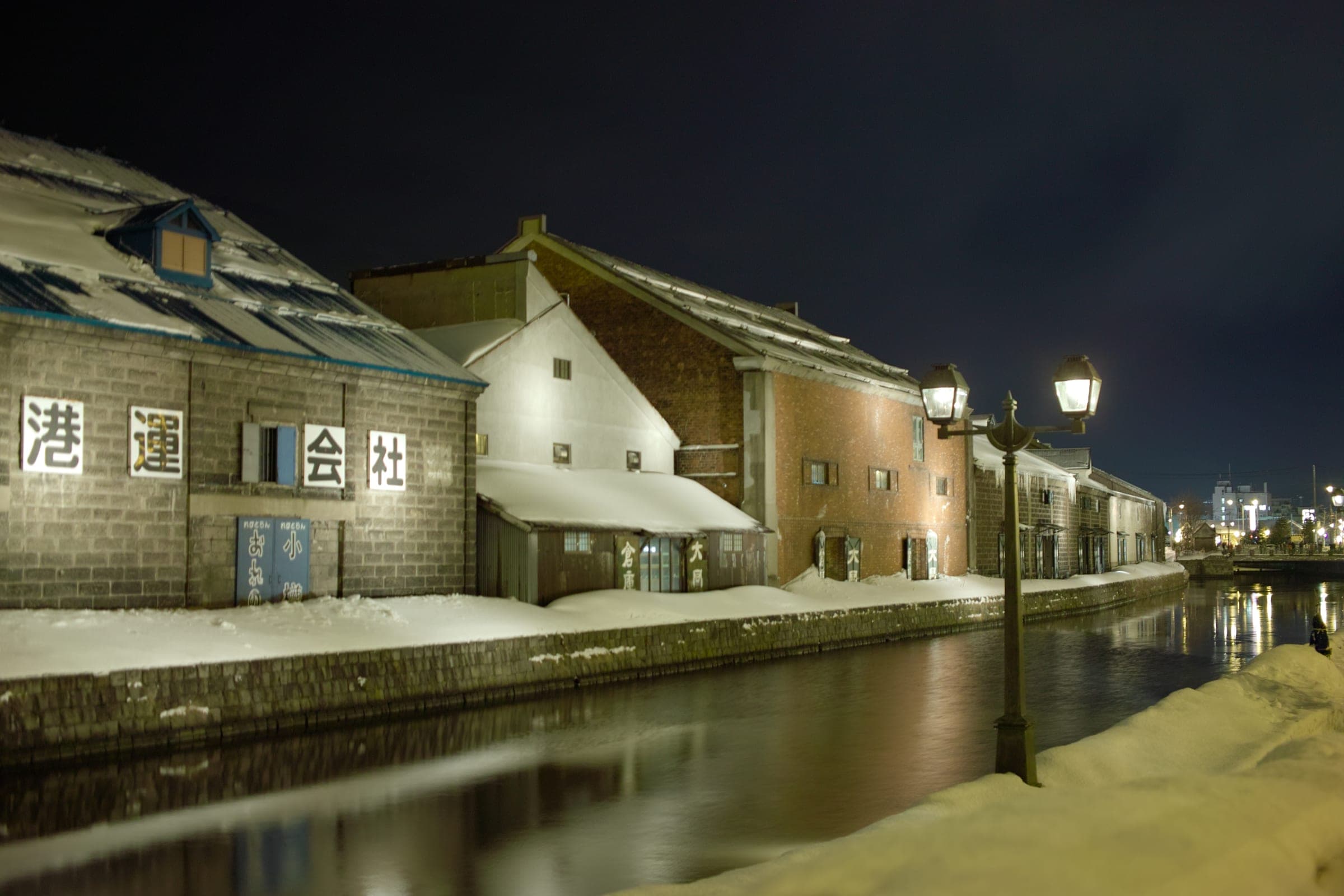
ruiraykwok / Wikimedia Commons · CC BY-SA 3.0 Otaru Canal and the Blue Canalwalk
The canal glows blue from sunset to 22:30 between Asakusa-bashi and Chuo-bashi from 1 November 2026 to 31 January 2027. Free volunteer-led night walks leave the International Information Centre at 16:00 on selected Saturdays from December to January.
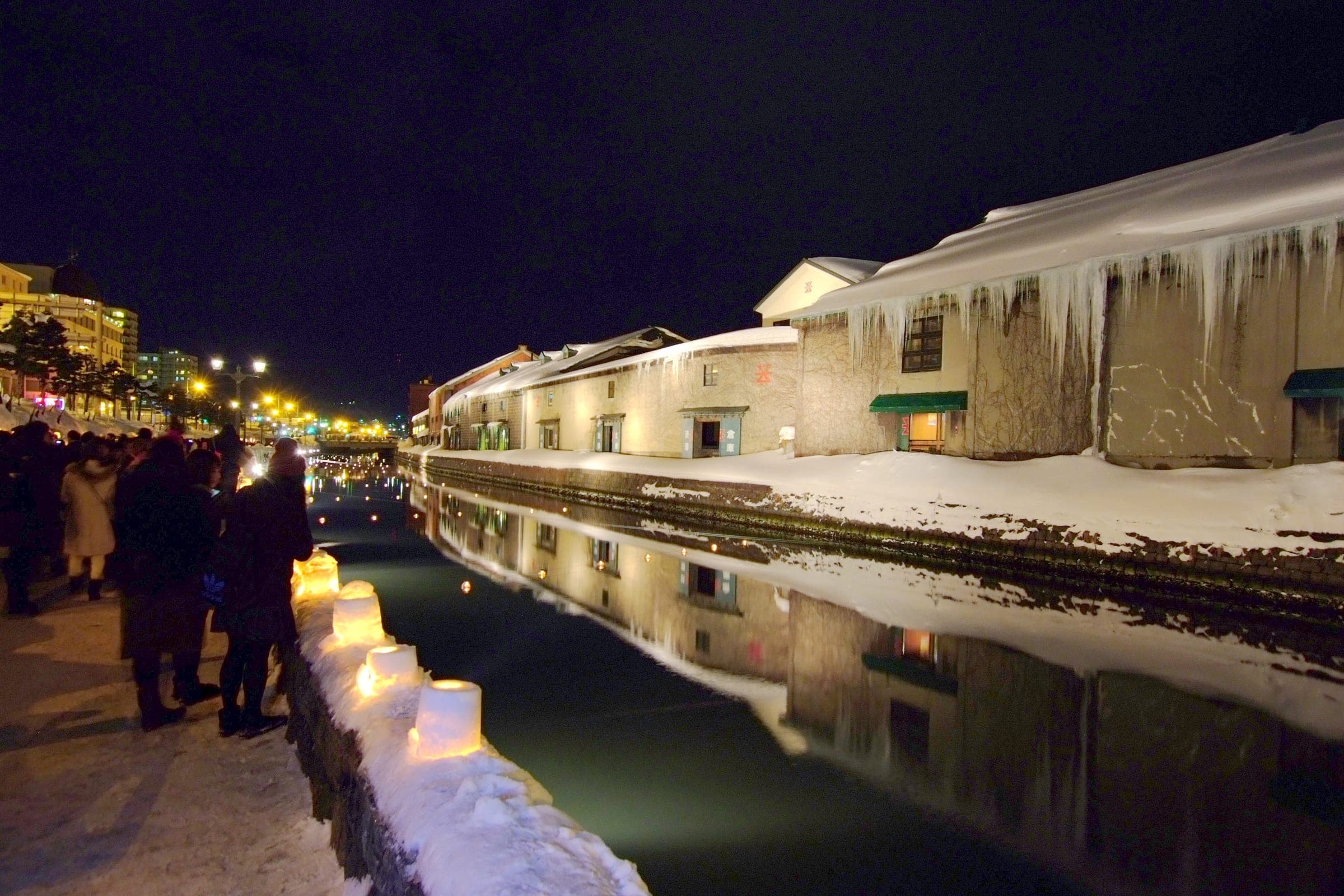
t-konno / Wikimedia Commons · CC BY-SA 3.0 Otaru Snow Light Pathculture
Candles and snow lanterns line the canal and the old Temiya railway line from 6 to 13 February 2027.
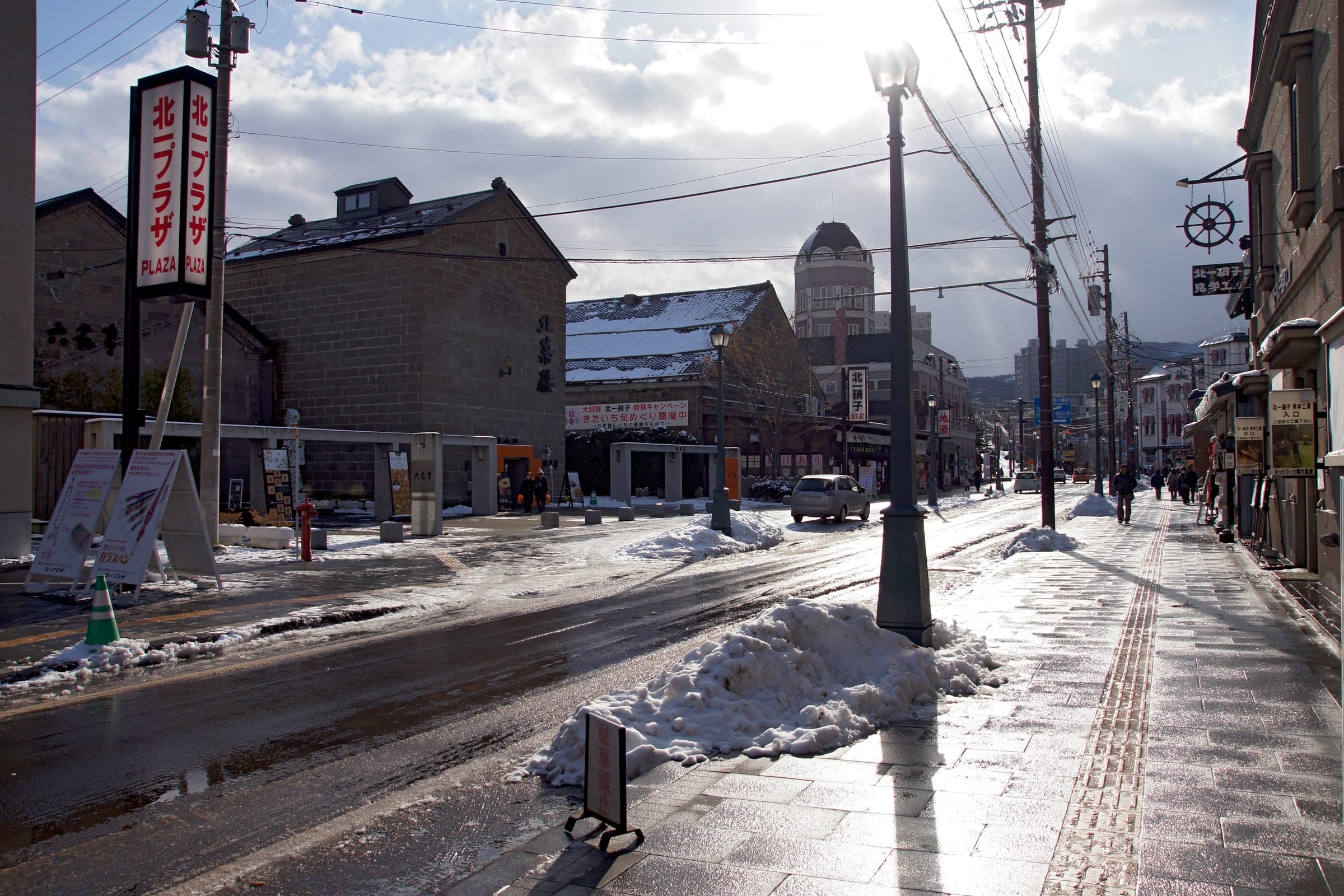
663highland / Wikimedia Commons · CC BY 2.5 Sakaimachi Streetshop
The old merchant street where glassworks and music box shops fill Meiji-era stone and timber buildings. It is best early, before the tour buses arrive.
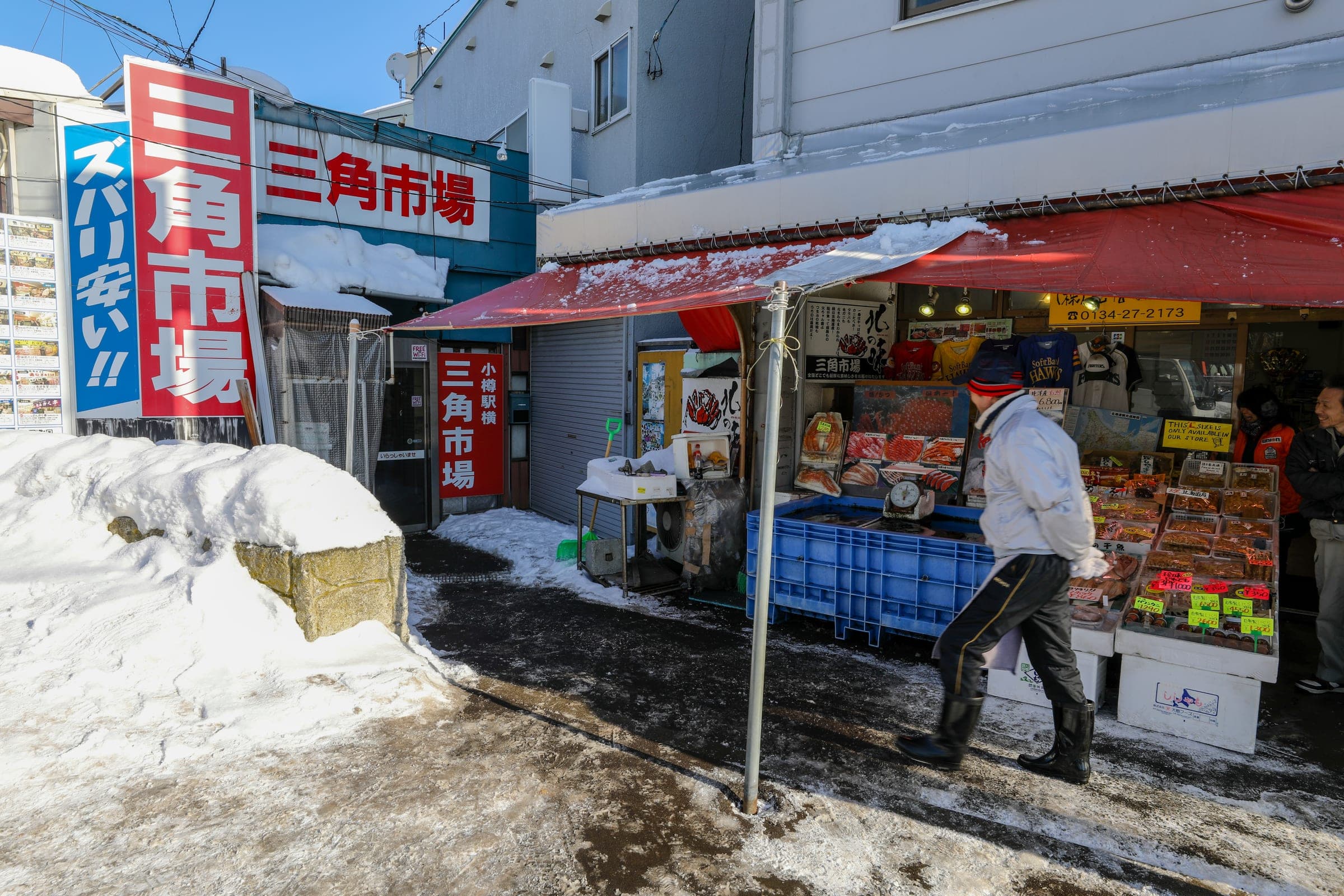
bryan... / Wikimedia Commons · CC BY-SA 2.0 Otaru Sankaku Marketmarket
This narrow, sloping fish market beside Otaru Station started with a few street stalls around 1948. It opens every day, and the small diners inside serve seafood bowls from breakfast.
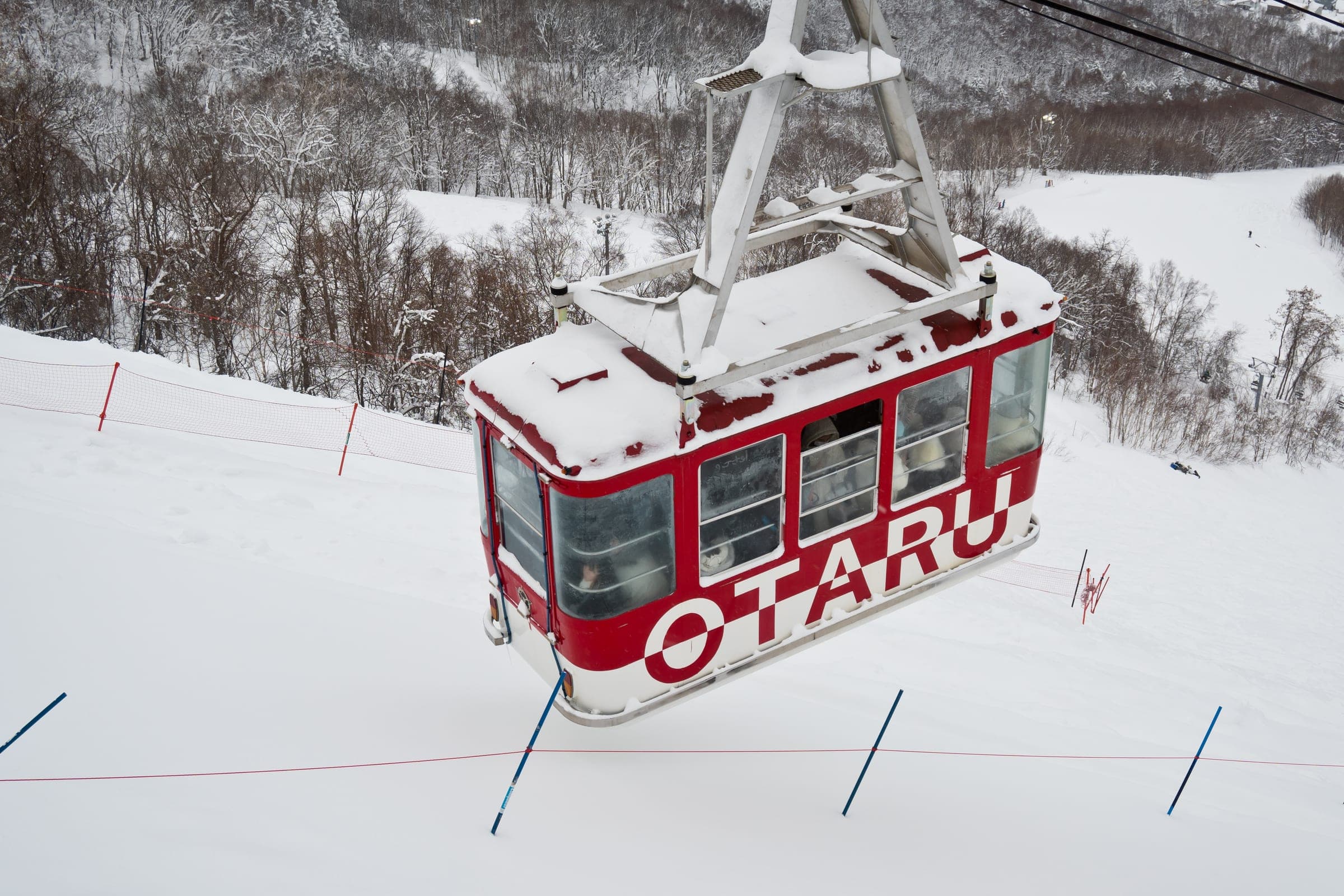
Fumikas Sagisavas / Wikimedia Commons · CC0 Tenguyama Ropewaysight
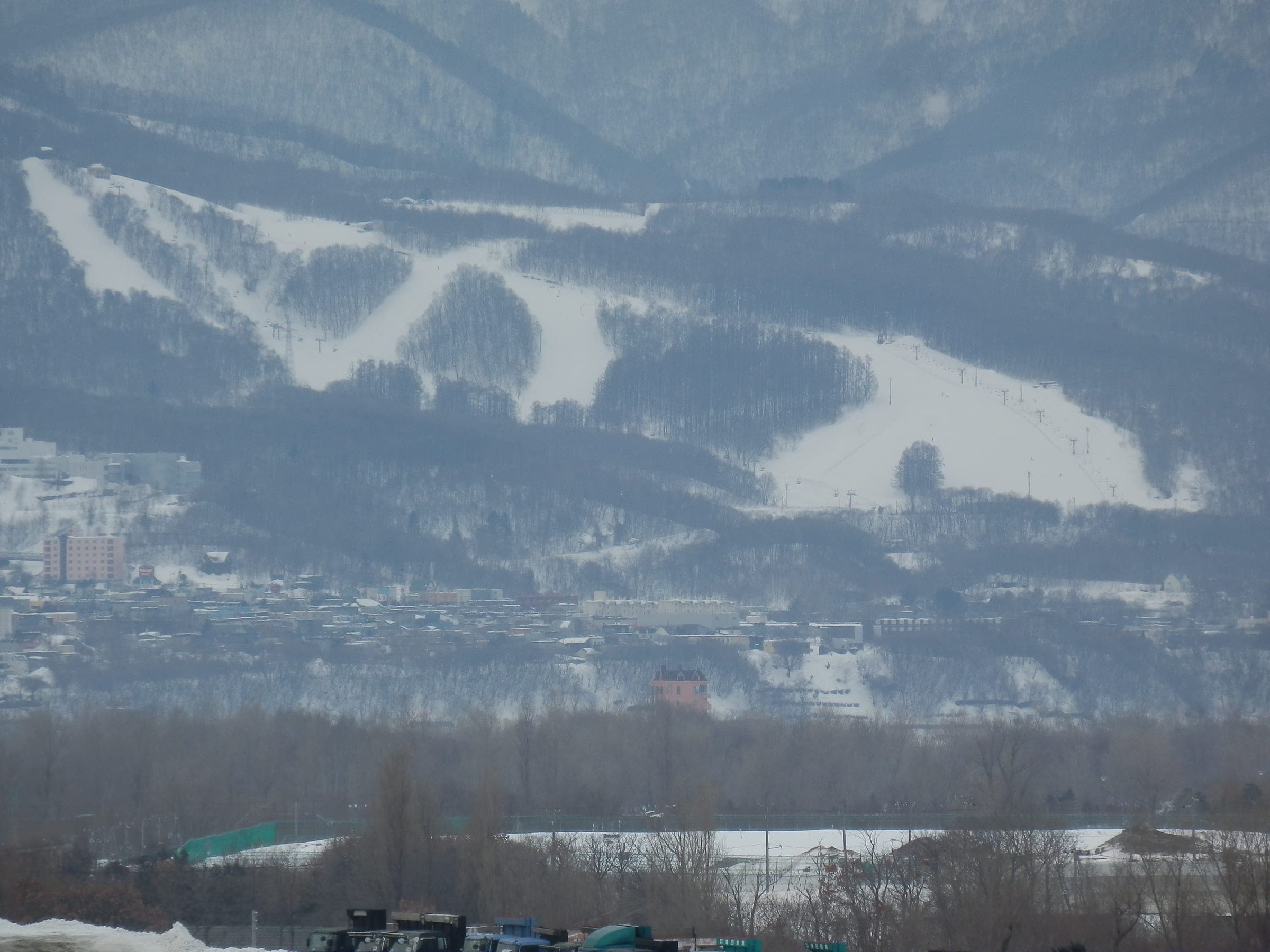
A ropeway from the edge of town up Mt. Tengu to the ski area, with a night view over the harbour and the city lights.
Otaru made its money twice. The herring runs filled the warehouses at the end of the nineteenth century, then the port became the gateway for coal and trade out of Hokkaido. The banks and shipping houses built in stone and kept building. Most of it is still standing. Walk the canal after dark in January and the gas lamps throw orange light on banks of snow piled higher than the railings, while the warehouses across the water sit black against the sky.
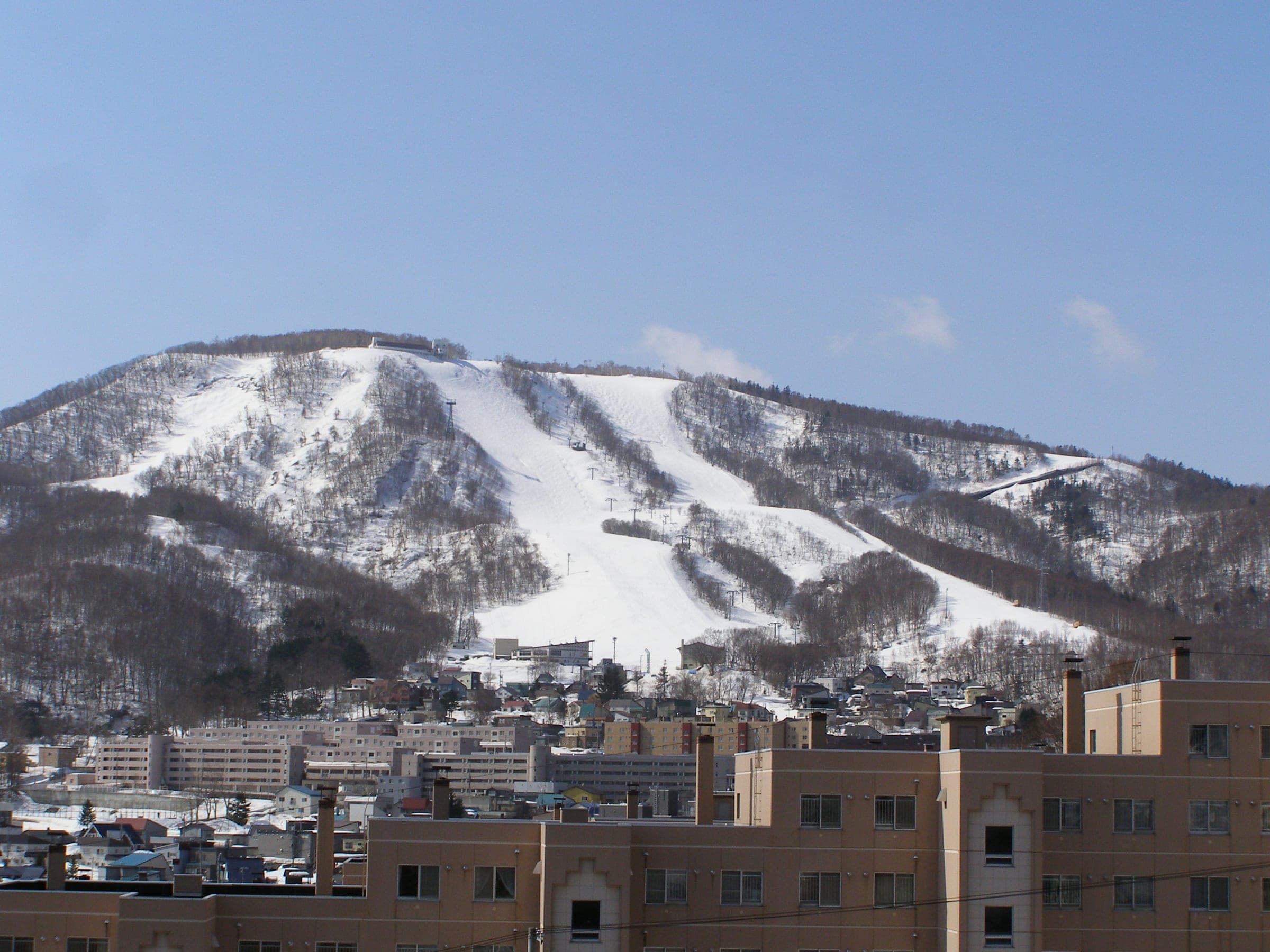
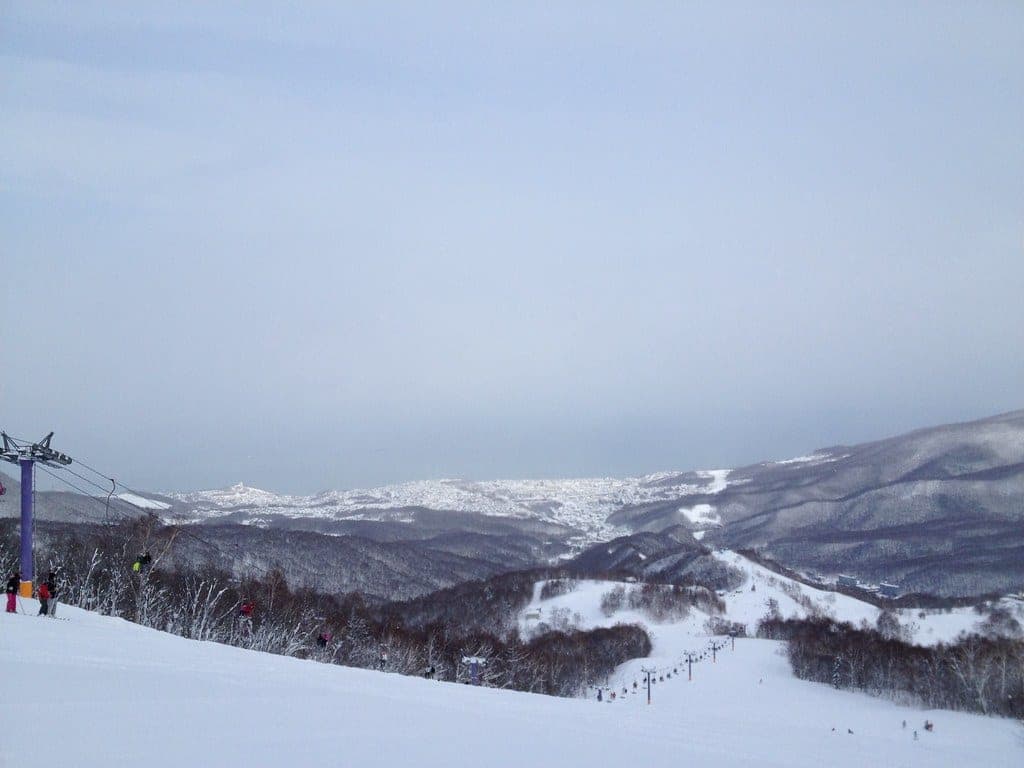
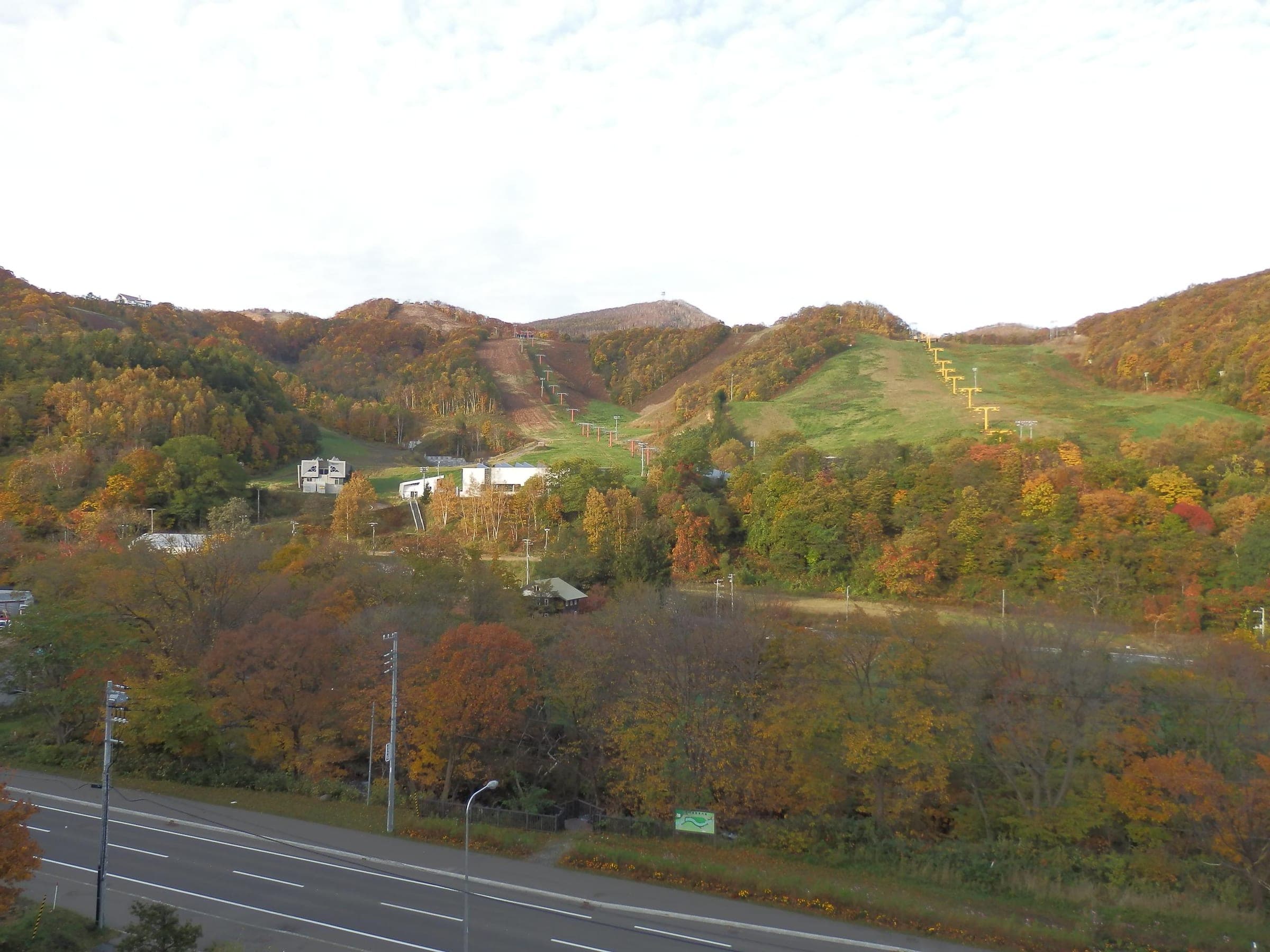
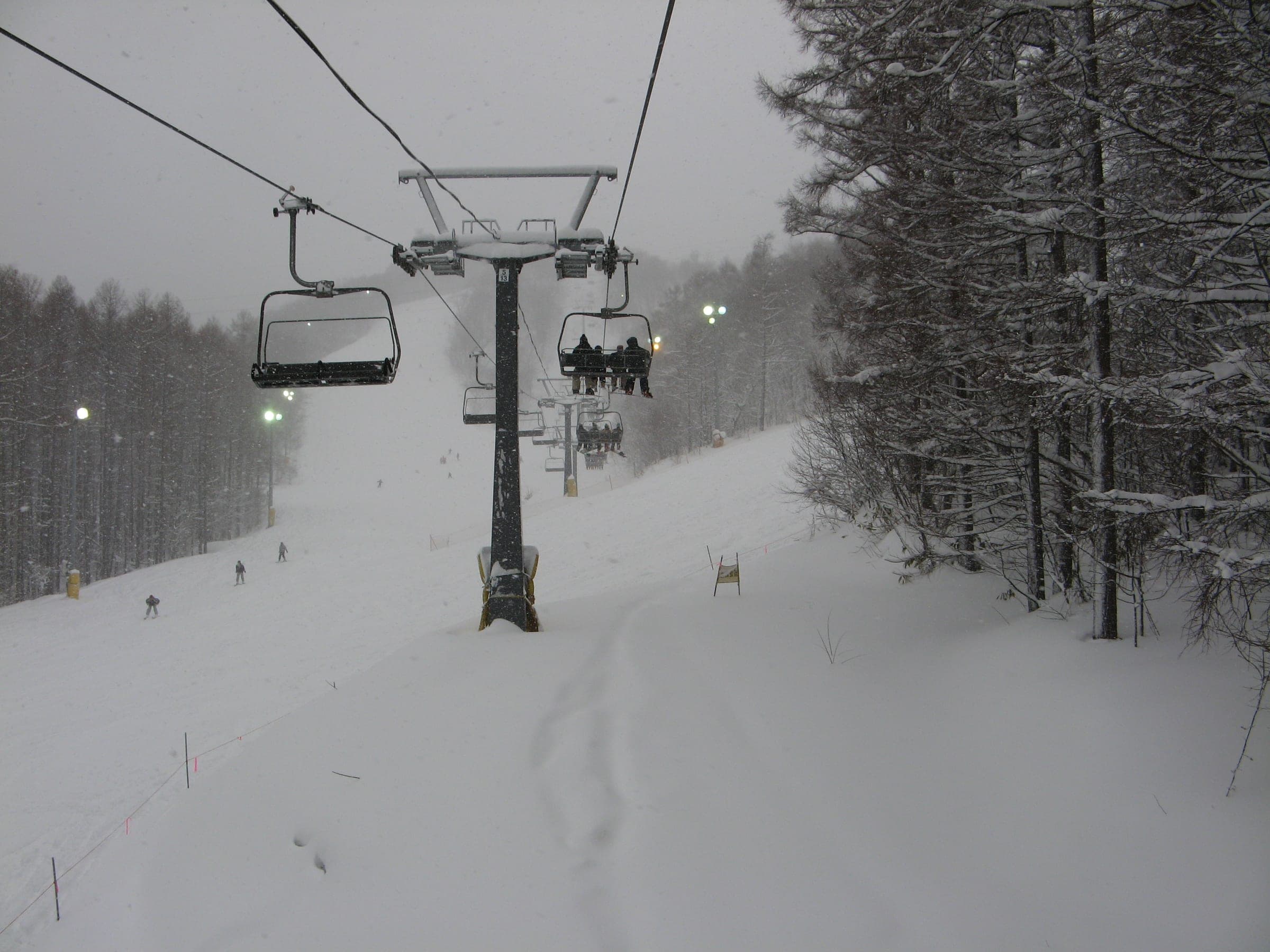
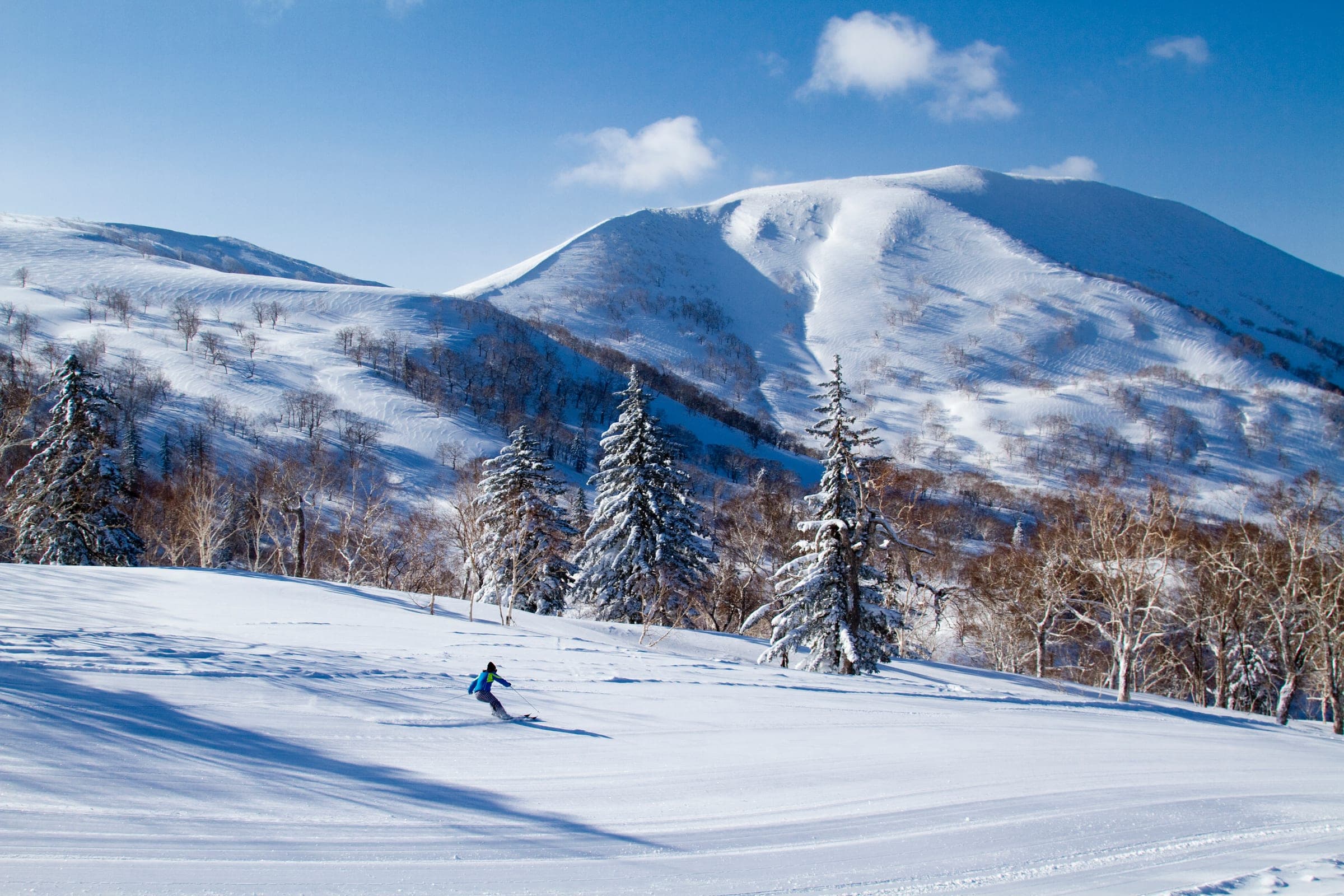
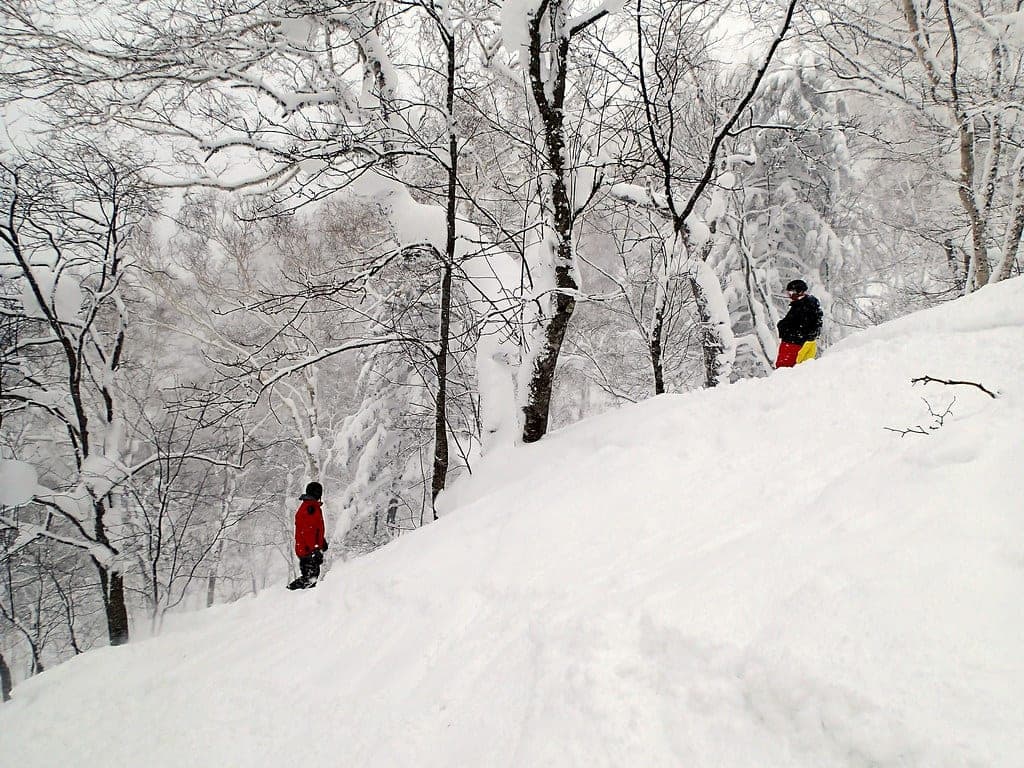
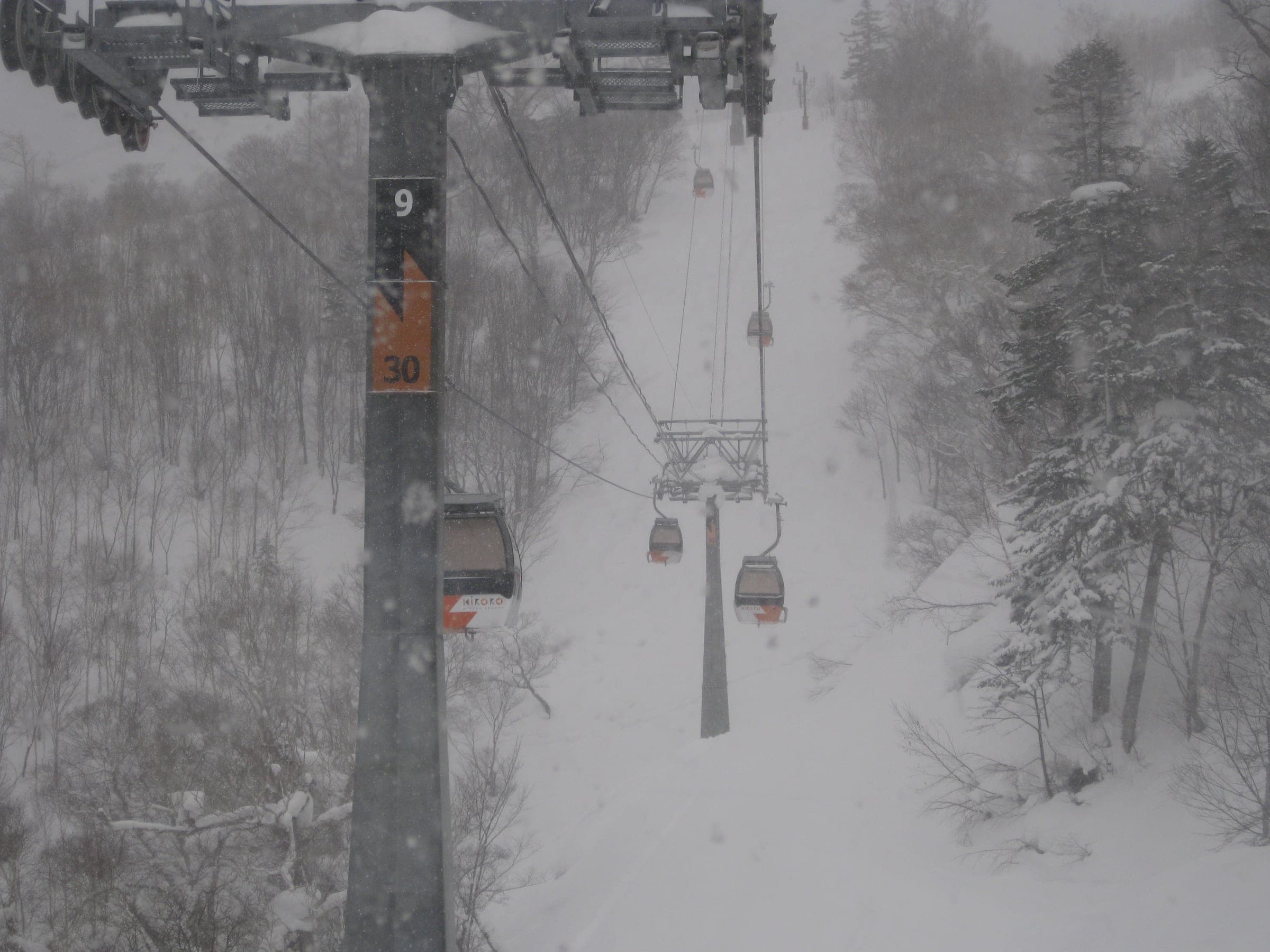
For riders it is a better base than it looks on a map. Kiroro is about forty minutes up into the hills behind town and catches some of the heaviest snowfall on the Sea of Japan side; buses run there from Otaru in winter. Teine is half an hour the other way. Tenguyama starts at the edge of the city with a ropeway up to the ski area and views over the harbour, so on a short day you can ride until lunch and be eating sushi by two.
The sushi is the point. A whole street near the station is named for it, and Masazushi has run its counter on Sushiya-dori for more than eighty years. Isezushi takes bookings two months out and fills them. For something louder, Wakadori Jidai Naruto has been frying half chickens in a crackling seasoned crust since 1952, and you eat them with your hands at long tables full of locals. Ankake yakisoba is the other local habit. A plate of crisp noodles under a thick, glossy sauce costs very little and fills you up after a day in wet coastal snow.
February brings the Snow Light Path, when the canal and the old Temiya railway line fill with candles and small snow lanterns for a week. The town gets busy with day trippers from Sapporo in the afternoon and empties out at night. Stay over and walk Sakaimachi once the shops have shut and the snow is falling straight down. The whisky bar in Denuki Koji is the place to finish.

Quick answers about Otaruよくある質問
What does the name Otaru mean?
Otaru comes from the local name ota-or-nay, meaning the river in the sandy beach. The name first belonged to a different place. Ota-or-nay was the old Otarunai River near today's Sapporo boundary at the mouth of the Hoshioki River, where the Matsumae domain opened a trading post. That shore took the full force of the winter wind, so the post moved west to a sheltered cove the Ainu called Kuttar-us (where the giant knotweed grows), near today's Irifune. The post kept its old name, and the new site became Otarunai and then Otaru.
Is Otaru a good place to stay?
Stay here for Kiroro on weekdays and the best sushi on the trip, with a real town to walk at night. It suits riders who want a base with character within an hour of Sapporo.
How do you get to Otaru?
JR Rapid Airport trains run direct from New Chitose Airport and take about 75 minutes. Trains from Sapporo take around 35 to 45 minutes depending on the service. Winter buses run from Otaru to Kiroro, and city buses climb to the Tenguyama ropeway.
Ride from Otaru近くの山



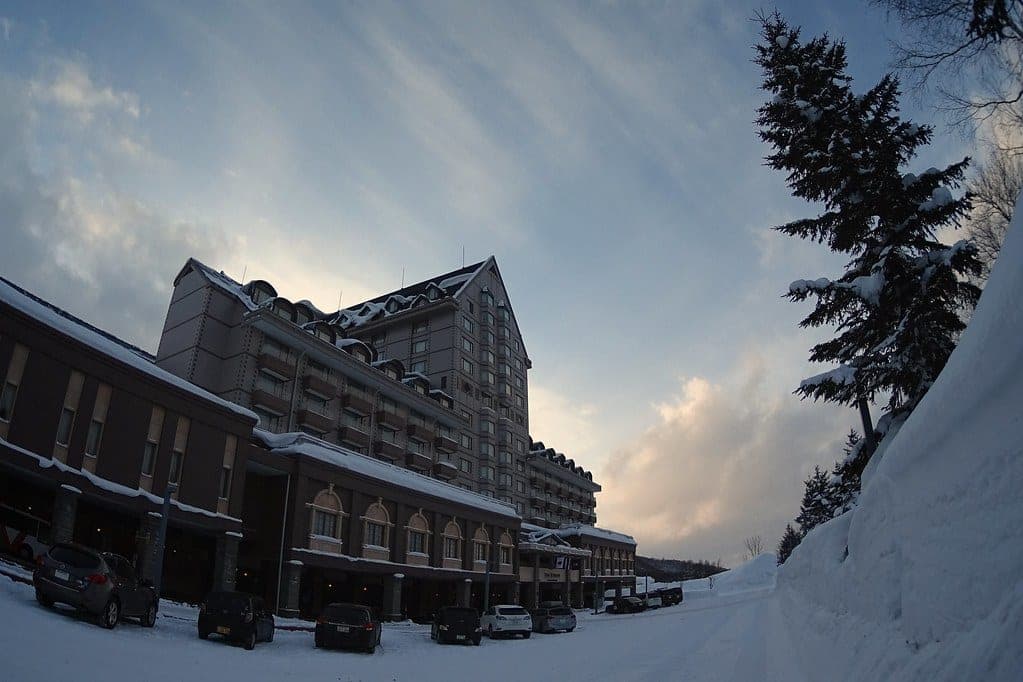
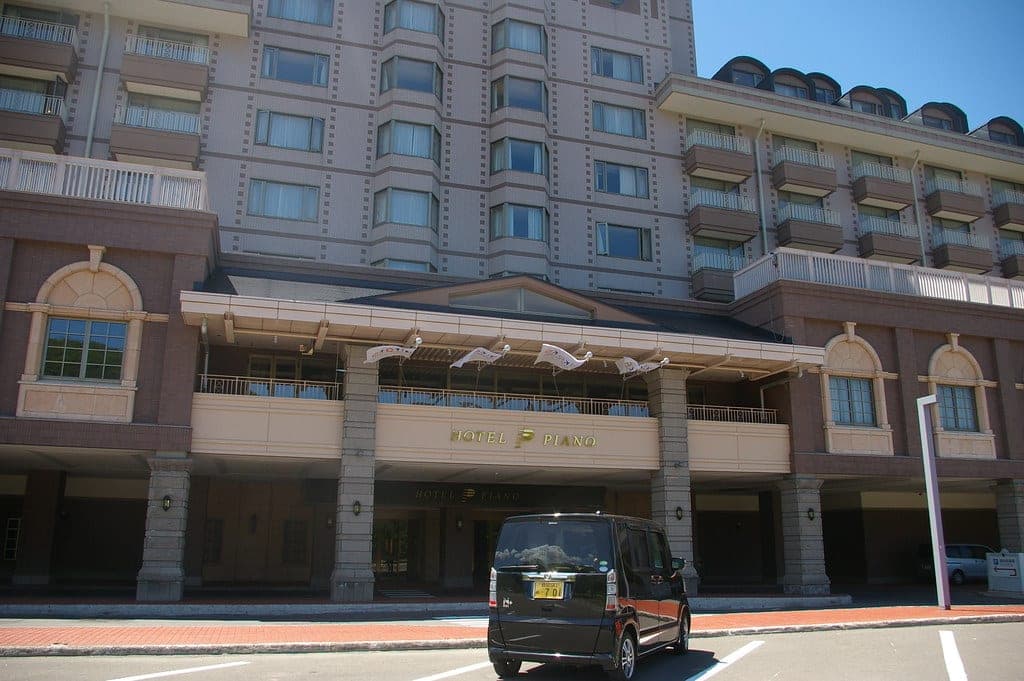
Stay in Otaru宿
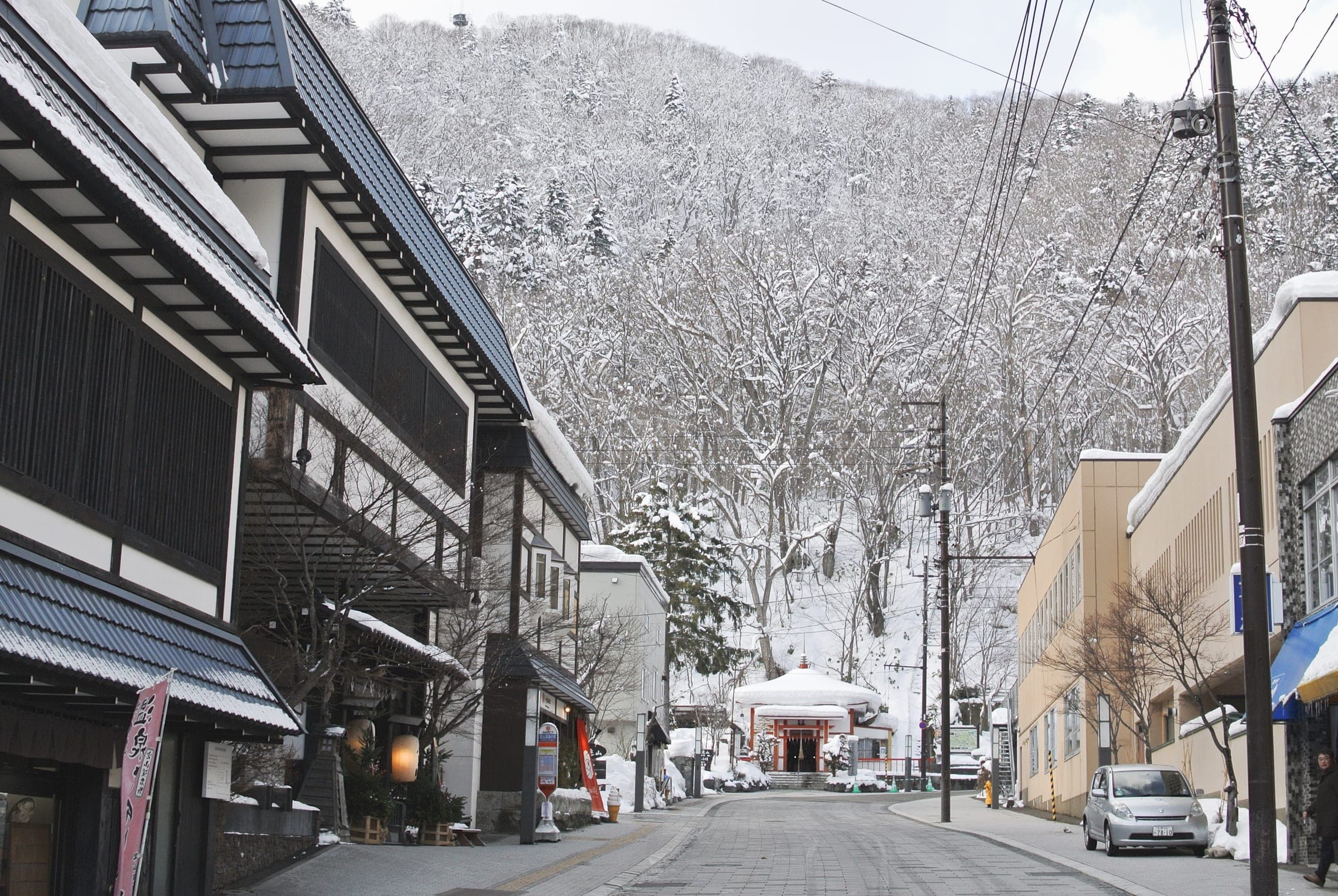
Hot springs nearby温泉
Paid links
Line up the trip around Otaru
Some of these links pay us a commission. It costs you nothing and keeps the guide independent. How the links work
In the journal
