Kutchan
倶知安42°54′ N 140°45′ ETownPop. 17,397Niseko
The working town at the foot of the Niseko resorts gets over twelve metres of snow in an average winter and has the best local food in the valley.
Photo by Luis Reid on Unsplash and others, credited in the gallery
Who should base here
Base in Kutchan if you want local restaurants and supermarket prices, and you are happy to bus or drive twenty minutes to the lifts. Families on longer stays and riders on a budget do well here.
The name
kut-san-i
クッ・シャン・イ(クッシャニ)The place where the river flows out of a pipe-like gorge
ainu
The town's own explanation. Kussani was the old name of the Kutosan River, a tributary of the Shiribetsu; the same word drifted into Kudosani for the river and Kutchan for the town, gazetted in 1893. Other readings exist: Nagata Hōsei had kutu-sani (a muddy river), Chiri Mashiho kut-san (a river leaving a cylinder-shaped landform), Matsuura Takeshirō a word for a fish trap, and Yamada Hidezō tentatively a river running out from a cliff. The 'hunter's hut' meaning often repeated in English comes from John Batchelor's kucha-un-nai and is not used by the town.
SourceEat · 食べる
Kage備長炭炭火焼鳥・ニセコおでん 影izakaya¥¥¥
Kage grills binchōtan yakitori from about ¥200 a skewer and keeps a pot of Niseko oden going, upstairs in the Daikyo building on Kita 2-jō. Usually closed Tuesdays, but open every day from December to March.
Jingisukan Eijinジンギスカン えいじん 倶知安店yakiniku¥¥¥
Eijin grills fresh lamb shoulder on an upturned iron pot. Expect set courses and a small seat charge. Open 18:00 to midnight every day.
Ramen Nakamaラーメン店なかまramen¥
This small ramen shop at Kita 1, Nishi 1 is known for its shio and ume-shio bowls and stays open late into the night. Closed Tuesdays and Wednesdays.
Daishin Niseko大心 ニセコ店ramen¥
Miso ramen with a house-made seasoned egg, on Route 5 at the south end of town. Open daily 11:00–20:30.
Yuki Tei雪庭izakaya¥
An udon house in the Hotel Daiichi Kaikan. Order the kamaage udon, which locals call Kutchan's heavy-snow udon. Lunch and dinner daily.
Koka広華chinese¥¥
A Chinese restaurant on Kita 4-jō with a following for its gomoku ankake yakisoba and an iron pot of very hot mapo tofu. Wednesday to Sunday, lunch and an early dinner.
Markie Curryマーキーカリーcurry¥
This Kita 3-jō shop serves soup curry all day from 11:30 to 21:00. The 'King Markie' is the big order after a long day.
Okashi no Fujiiお菓子のふじいbakery¥
A patisserie a minute from the station. Cream puffs are filled to order, and the 'Nupuri' monaka make good snacks for the chairlift. Closed Tuesdays.
Drink · 飲む
Black Fox Beerbrewery
Kutchan's microbrewery pours its IPAs and porter at its sister burger bar, PattyDaddyBurger, on Kita 3-jō.
Bar Garçonbar
A second-floor 'one-coin bar' where every drink and dish is ¥500 before tax. Opens at 18:00; closed Sundays and holidays.
Mountain Kiosk Coffeecoffee
This café makes pour-over single origins in a converted old kissa on Kita 4, Higashi 1. Wednesday to Sunday from 8:30.
SPROUTcoffee
Lattes and muffins by the station from 8:00, and they let you bring in cakes from Fujii next door. Closed Tuesdays.
Do · 遊ぶ
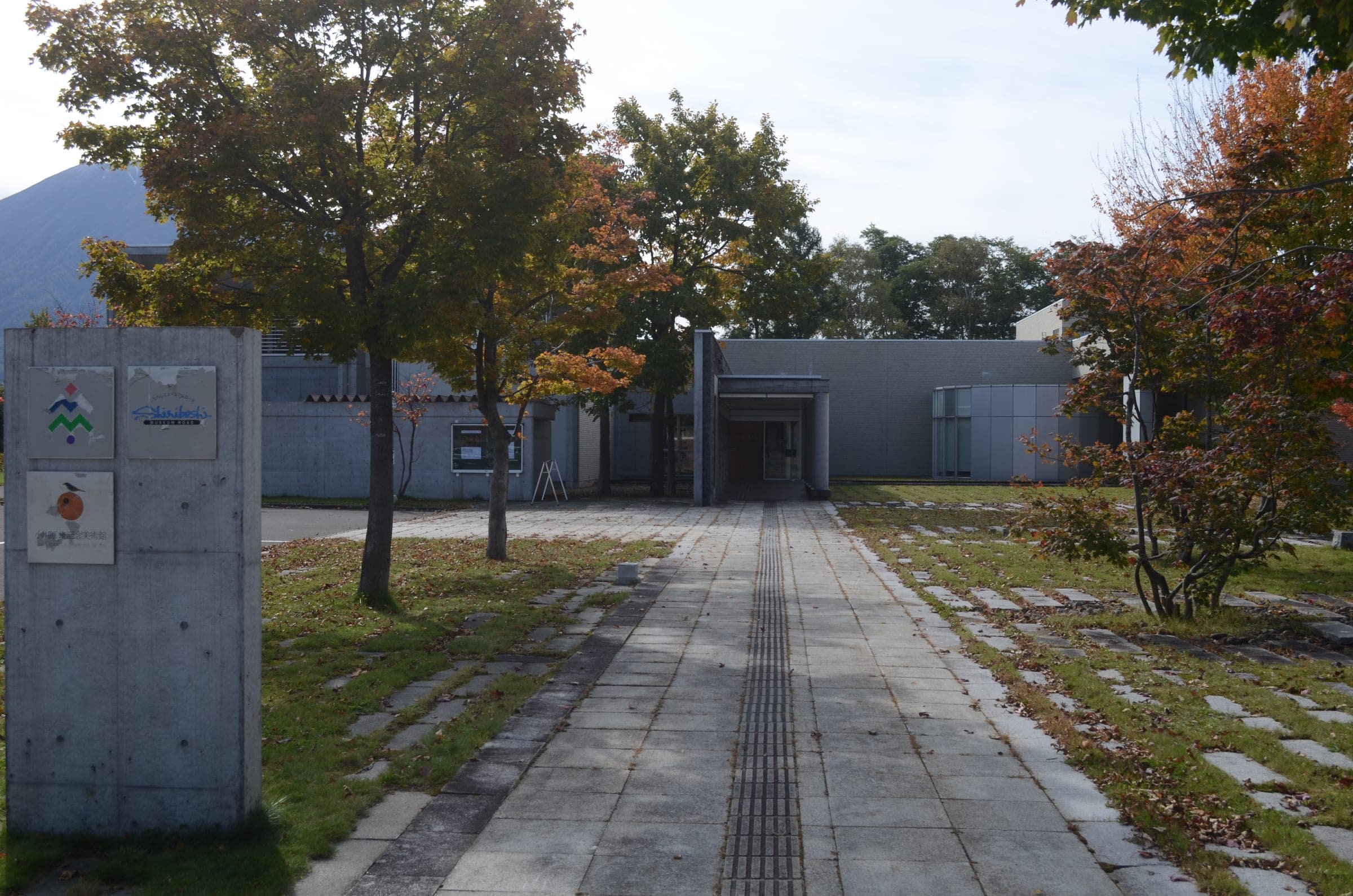
禁樹なずな / Wikimedia Commons · CC BY-SA 4.0 Ogawara Shu Memorial Museum of Artmuseum
This gallery shows the Kutchan-born painter Ogawara Shu (1911–2002) and stays open through winter. ¥500 includes entry to the Fudokan; closed Tuesdays.
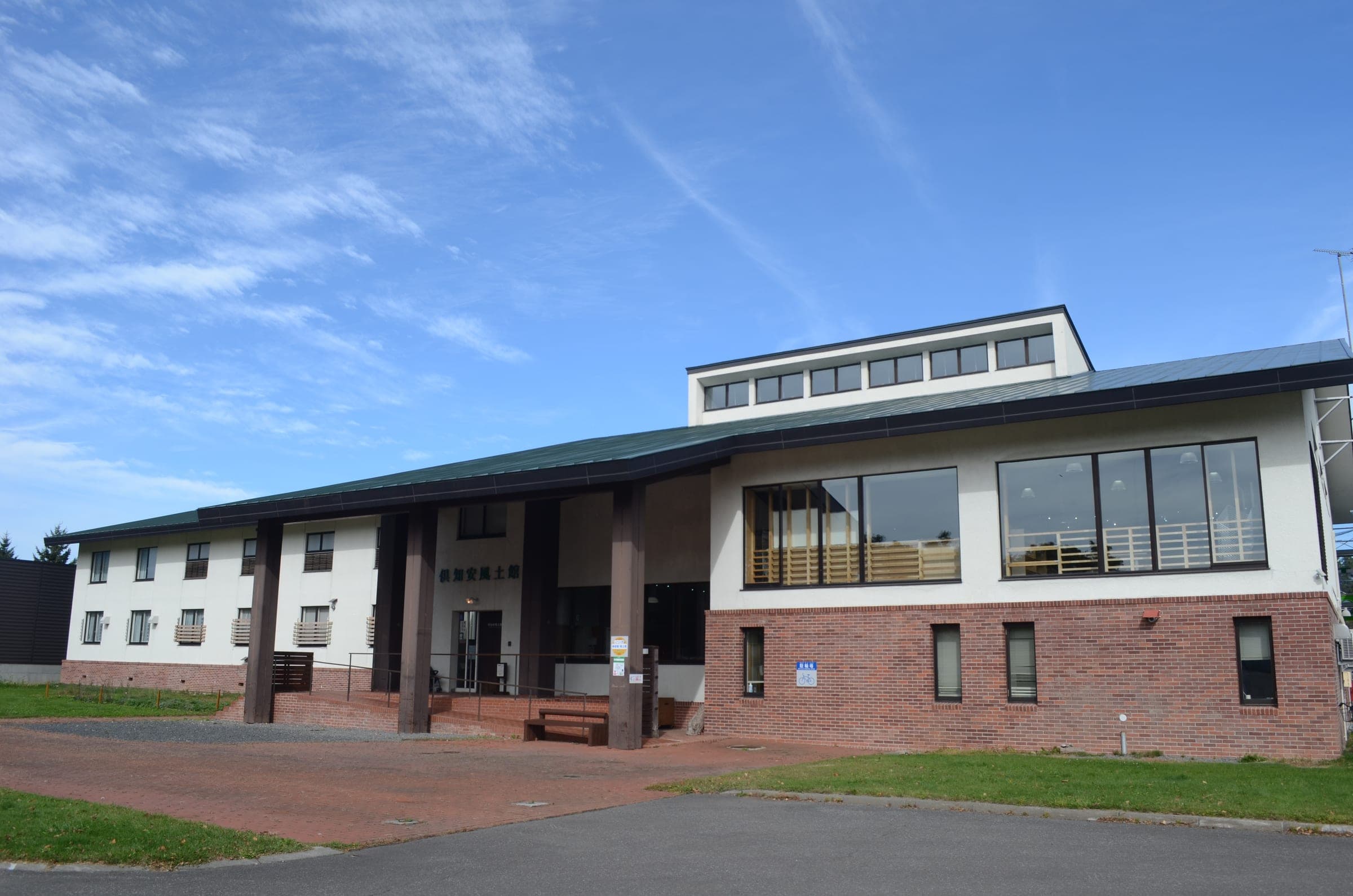
禁樹なずな / Wikimedia Commons · CC BY-SA 4.0 Kutchan Fudokanmuseum
The town museum explains why the Niseko range gets so much snow and rebuilds Showa-era streets and a station. ¥200; closed Tuesdays.
Yukitopia Festivalculture
Kutchan holds its snow festival in Chuo Park in mid-February, with a snowman contest and lit snow lanterns after dark. The 2027 dates were not out at the time of writing.
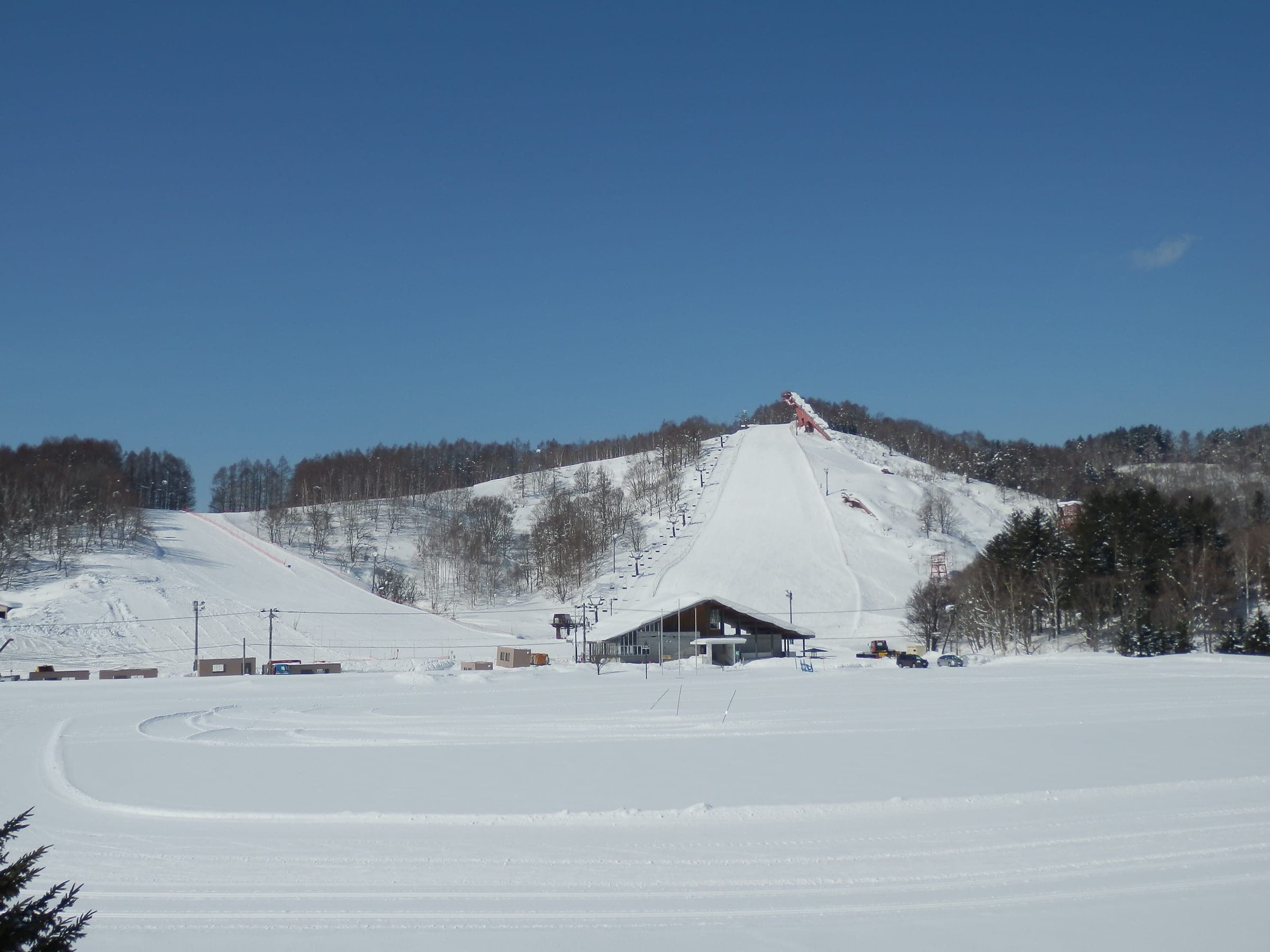
Wakimasa / Wikimedia Commons · CC BY-SA 3.0 Asahigaoka Ski Areaactivity
The town hill has one pair lift and two lit runs. Night tickets cost ¥1,000 from 17:00 to 21:00, and it is where Kutchan kids learn to ride.
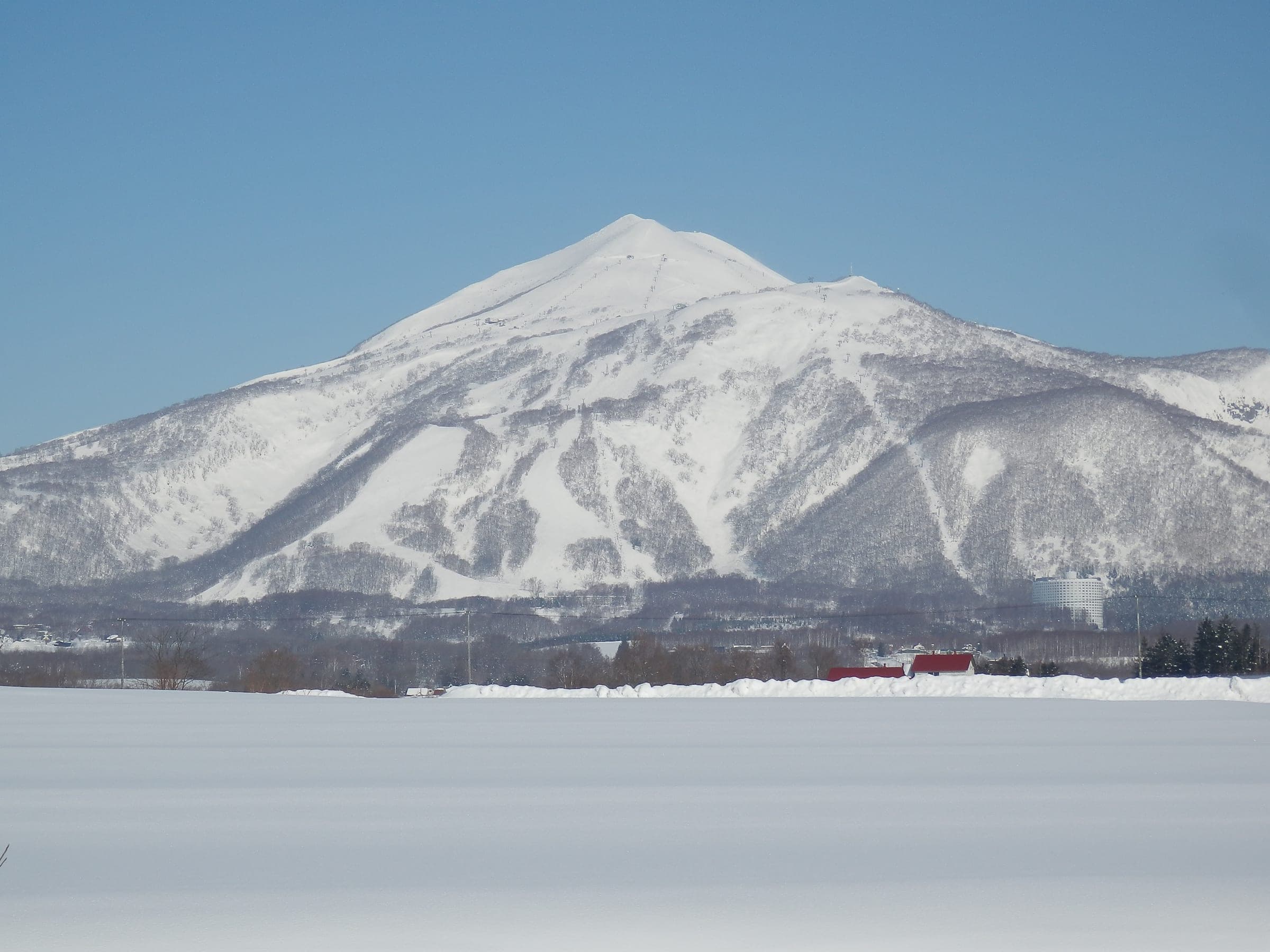
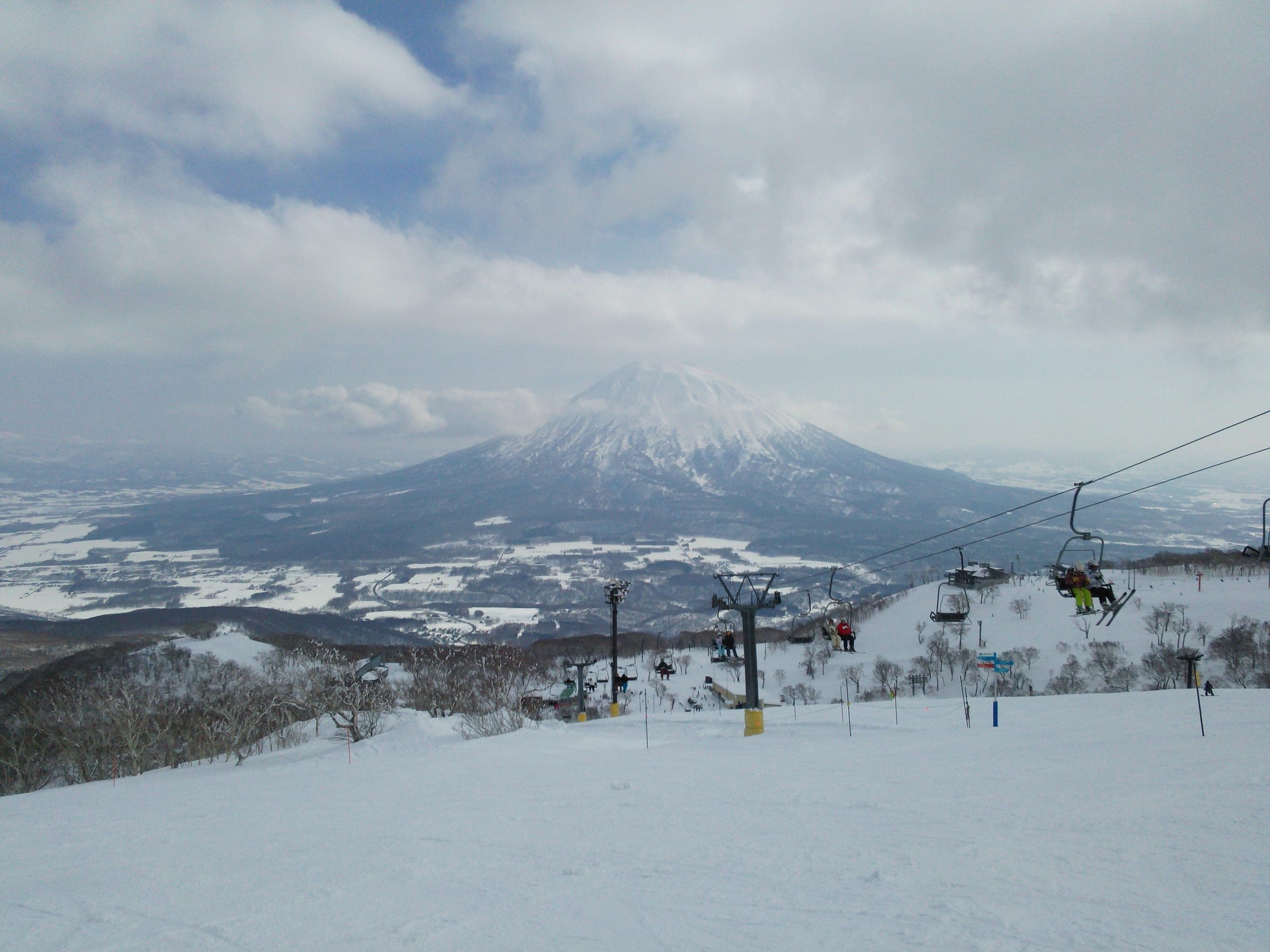
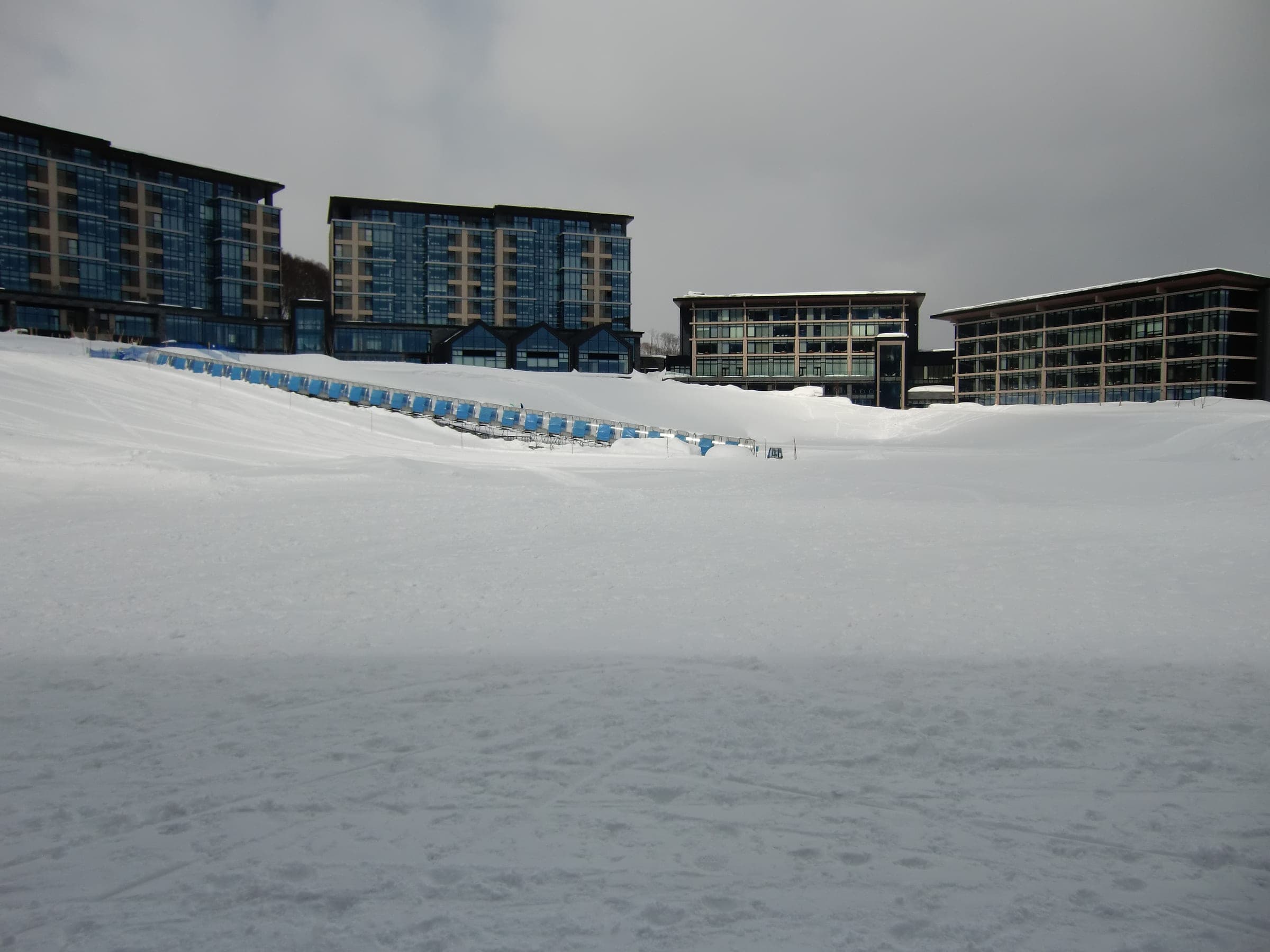
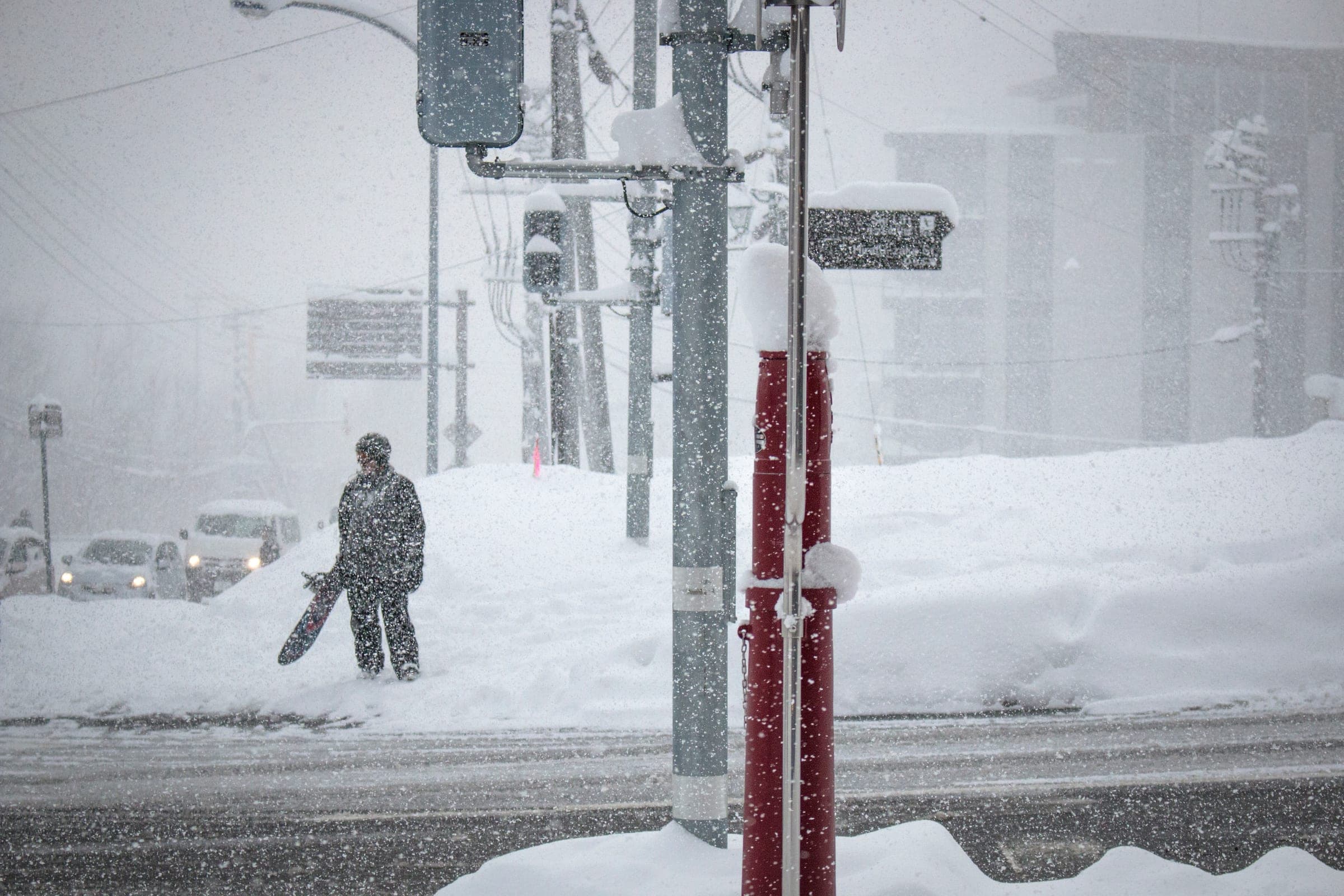
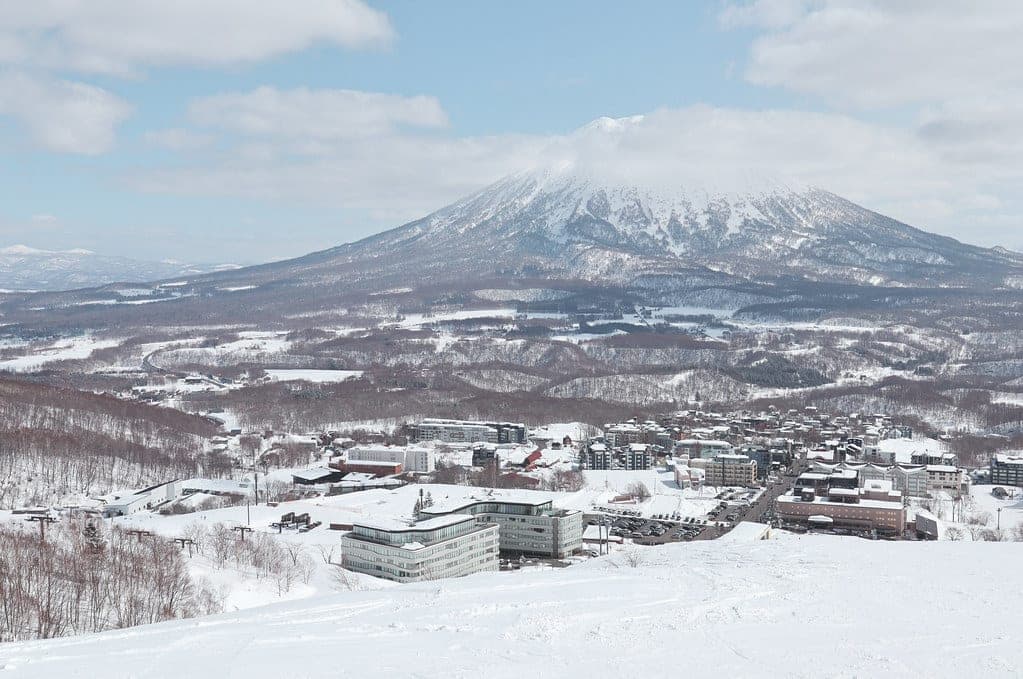
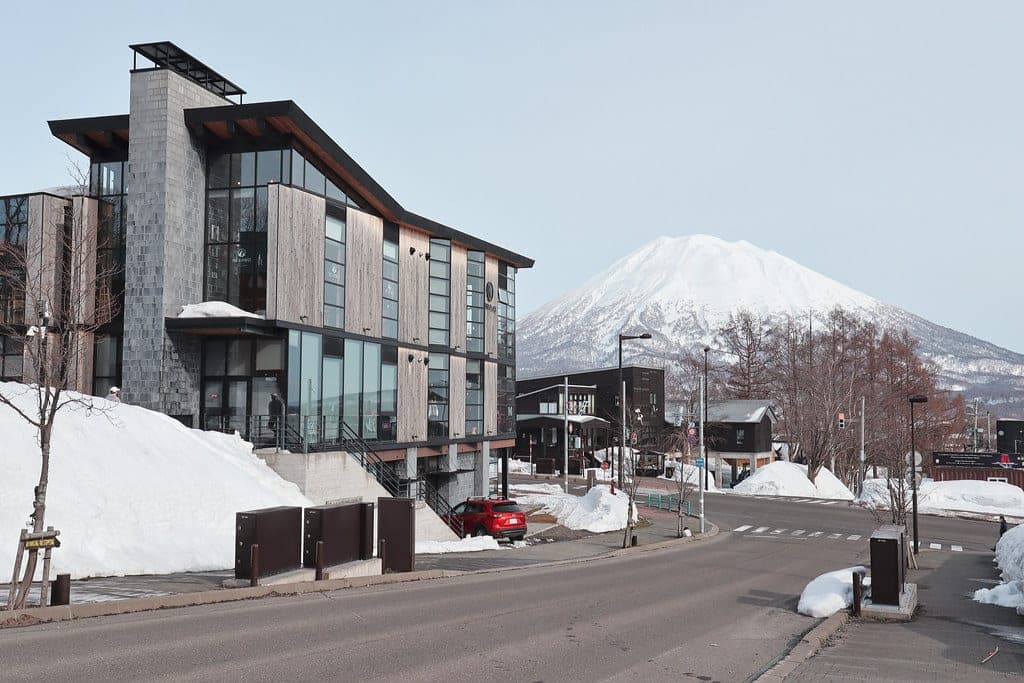
Kutchan is where Niseko lives when the lifts stop. The town sits on the valley floor a few kilometres below the Hirafu lifts. Low concrete buildings and car dealers line its grid of streets, and on the rare clear day Yotei fills the sky to the south-east. Kutchan averages 12.6 metres of snow a season, which is two and a half times Sapporo's total, and the official record depth is 312 centimetres from 1970. On a storm night the plows run constantly and the snowbanks along the main street grow taller than the shopfronts.
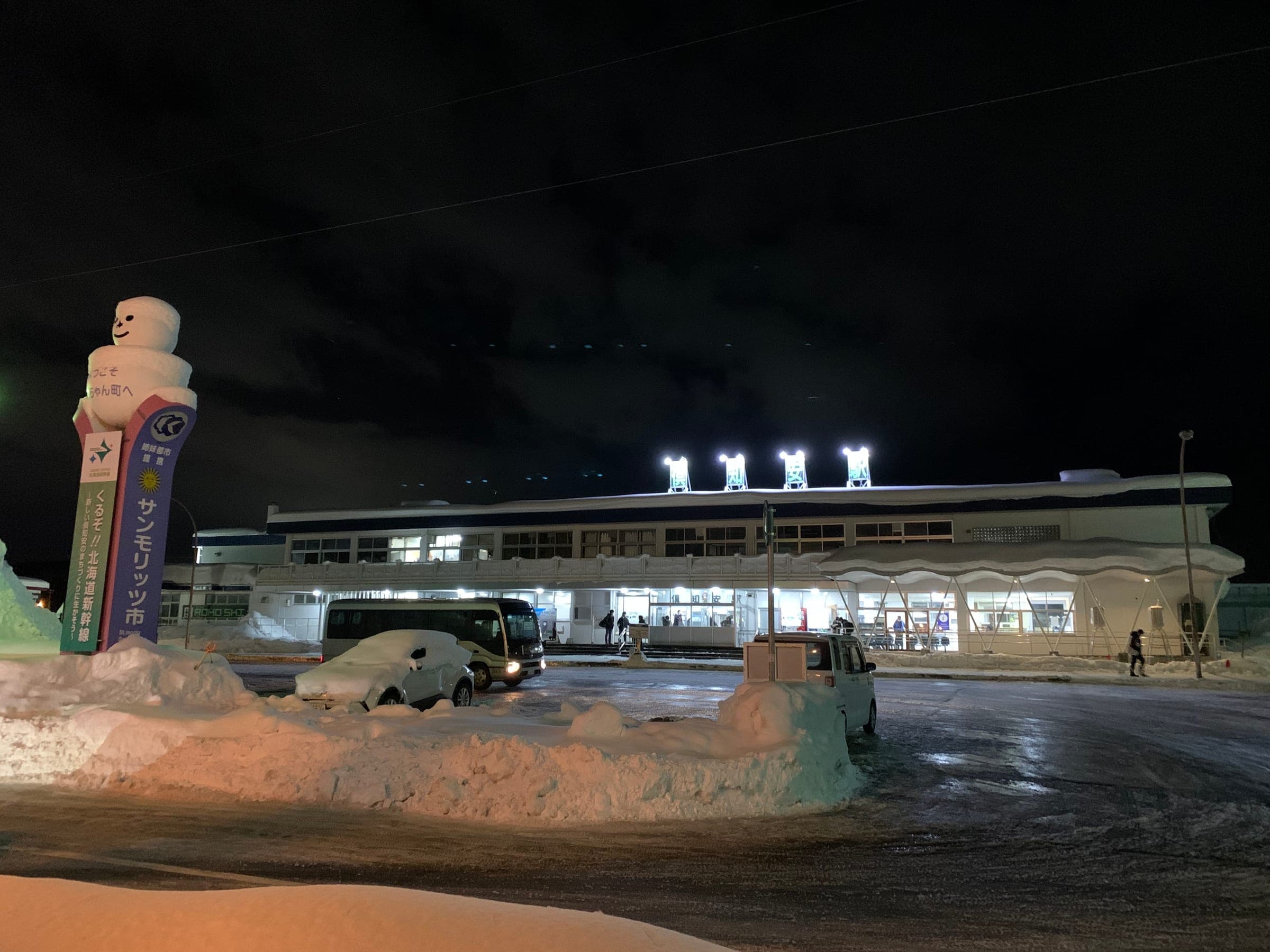
About one resident in five now comes from overseas, according to the Hokkaido Shimbun, and the town is changing fast. The Hokkaido Shinkansen is due here eventually, with an elevated station planned and the line now expected in the late 2030s. Kutchan still feels like a farm town in the mornings, when older residents clear their own driveways before the buses start.
Food here costs far less than in Hirafu, and the people at the next table live here. Kage is the pick for a long night, with binchōtan yakitori and Niseko oden in a second-floor room on Kita 2-jō. For lamb, go to Eijin, where thick-cut shoulder hits an iron dome until midnight. Late ramen means the shio bowl at Nakama. On a properly cold day the kamaage udon at Yuki Tei is what locals eat, and Koka's ankake yakisoba has a following well beyond town.
As a base it suits anyone with a car or the patience for buses. The Hirafu bus takes about twenty minutes, and taxis are scarce at peak hours. In exchange you get supermarket prices and a walk home through a town where people live all year.
Quick answers about Kutchanよくある質問
What does the name Kutchan mean?
Kutchan comes from the local name kut-san-i, meaning the place where the river flows out of a pipe-like gorge. The town's own explanation. Kussani was the old name of the Kutosan River, a tributary of the Shiribetsu; the same word drifted into Kudosani for the river and Kutchan for the town, gazetted in 1893. Other readings exist: Nagata Hōsei had kutu-sani (a muddy river), Chiri Mashiho kut-san (a river leaving a cylinder-shaped landform), Matsuura Takeshirō a word for a fish trap, and Yamada Hidezō tentatively a river running out from a cliff. The 'hunter's hut' meaning often repeated in English comes from John Batchelor's kucha-un-nai and is not used by the town.
Is Kutchan a good place to stay?
Base in Kutchan if you want local restaurants and supermarket prices, and you are happy to bus or drive twenty minutes to the lifts. Families on longer stays and riders on a budget do well here.
How do you get to Kutchan?
JR from Sapporo via Otaru takes about two and a half hours, and the Chuo Bus Niseko highway bus runs from Sapporo. The Jagarin-go town loop bus costs ¥100, and the bus to Hirafu takes about twenty minutes. Taxis cannot be hailed in the street; book or wait at the station, often 30 to 60 minutes at peak. Driving from Sapporo takes about two hours and ten minutes.
Ride from Kutchan近くの山



Stay in Kutchan宿

Hot springs nearby温泉
Paid links
Line up the trip around Kutchan
Some of these links pay us a commission. It costs you nothing and keeps the guide independent. How the links work